
UV Protection Hats: The Ultimate UK Guide to Sun Safety
Living in the United Kingdom, it’s easy to underestimate the power of the sun. Yet, protecting your skin from harmful ultraviolet radiation is a year-round necessity, not just a summer concern. The most effective, stylish, and simple way to shield your face, neck, and ears is with high-quality UV protection hats. This comprehensive guide will walk you through everything you need to know about choosing, wearing, and caring for the perfect sun-safe headwear, ensuring you and your family stay protected whatever the weather.
Table of Contents
- 1. Understanding the Invisible Threat: UV Radiation in the UK
- 2. What Makes a Hat a True UV Protection Hat? The UPF Factor
- 3. Choosing the Right Style: Finding Your Perfect Sun Hat
- 4. UV Protection Hats for the Whole Family: A UK Guide
- 5. Beyond the Hat: A Holistic Approach to Sun Safety
- 6. Caring for Your UV Protection Hat to Maintain its Effectiveness
- 7. Why Maz Accessories is Your Go-To for Sun Protection
Understanding the Invisible Threat: UV Radiation in the UK
Before we delve into the specifics of UV protection hats, it’s crucial to understand what we’re protecting ourselves from. The sun emits ultraviolet (UV) radiation, an invisible form of energy that can penetrate our skin and cause significant damage over time. Many in the UK mistakenly believe that cloud cover offers complete protection, but this is a dangerous misconception.
What is Ultraviolet (UV) Radiation?
UV radiation is classified into three main types based on wavelength: UVA, UVB, and UVC. While UVC is mostly absorbed by the Earth’s ozone layer, UVA and UVB rays reach the ground and pose a threat to our skin health.
- UVA (Aging Rays): These rays have a longer wavelength and can penetrate deep into the skin’s thickest layer, the dermis. UVA exposure is primarily responsible for premature skin aging, such as wrinkles and age spots. It plays a role in the development of some skin cancers. Alarmingly, UVA rays can penetrate clouds and glass.
- UVB (Burning Rays): With a shorter wavelength, UVB rays are the primary cause of sunburn. They damage the outermost layers of the skin and are a direct cause of most skin cancers, including the dangerous melanoma. UVB intensity varies by season, location, and time of day.
Understanding this distinction is vital. A simple sunburn is a clear sign of UVB overexposure, but the silent, deeper damage from UVA rays accumulates over a lifetime, even on days that don’t feel particularly sunny.
The Myth of the Cloudy British Sky
One of the most common sun safety myths in the United Kingdom is that a grey, overcast sky means there’s no risk of UV damage. According to the UK Met Office, up to 80% of the sun’s harmful UV rays can penetrate light cloud cover. This phenomenon, often called ‘cloud enhancement’, can sometimes even increase UV intensity.
This means that even on a cool, breezy day in spring or autumn, your skin is still being exposed to potentially damaging radiation. Activities like gardening, walking the dog, or watching a local football match all contribute to your cumulative lifetime UV exposure. This constant, low-level exposure is why daily protection is so important, and a UV protection hat is the easiest way to achieve it.
Skin Cancer Statistics in the United Kingdom
The statistics surrounding skin cancer in the UK are sobering and highlight the urgency of proper sun protection. According to Cancer Research UK, melanoma skin cancer is the 5th most common cancer in the UK, with rates having increased significantly over the last few decades.
Getting sunburnt just once every two years can triple your risk of melanoma skin cancer. The vast majority of these cases are preventable. The most commonly affected areas are those most frequently exposed to the sun: the face, ears, scalp, and neck. This is precisely where a well-designed UV protection hat provides a critical physical barrier.
What Makes a Hat a True UV Protection Hat? The UPF Factor
Not all hats are created equal when it comes to sun safety. A standard cotton baseball cap might offer some shade, but it provides minimal protection against penetrating UV rays. To ensure genuine protection, you need to look for a hat with an Ultraviolet Protection Factor (UPF) rating.
Demystifying UPF vs. SPF
You’re likely familiar with SPF (Sun Protection Factor), which is found on sunscreen lotions. But what is UPF? The two terms are related but measure different things:
- SPF (Sun Protection Factor): This rating measures the effectiveness of a sunscreen in blocking UVB rays (the burning rays) only. It indicates how long you can stay in the sun before your skin starts to redden.
- UPF (Ultraviolet Protection Factor): This rating is used for fabrics and clothing. It measures the amount of both UVA and UVB radiation that can penetrate the fabric and reach your skin. This broad-spectrum protection is what makes UPF-rated items, like UV protection hats, so effective.
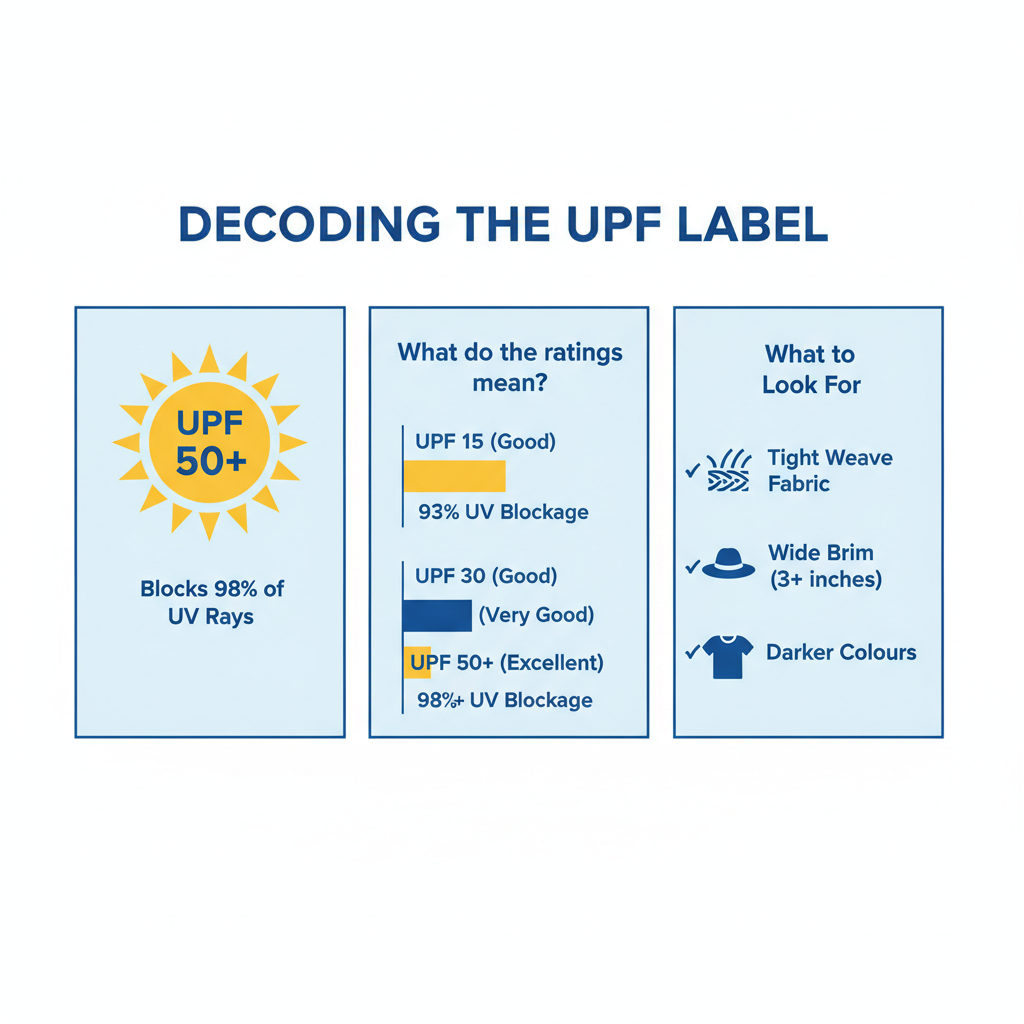
- Good: UPF 15-24
- Very Good: UPF 25-39
- Excellent: UPF 40-50+
- Wide-Brim Hats: The quintessential sun hat. Often made from straw, canvas, or performance fabrics, these offer excellent all-around coverage. They are perfect for gardening, beach holidays, or attending outdoor events. They come in various styles, from floppy and casual to structured and elegant.
- Fedora/Trilby: These classic styles can offer good sun protection if they have a sufficiently wide brim (at least 2.5-3 inches). They provide a more structured, fashionable look and are great for city walks, pub gardens, or summer parties. Ensure the material is tightly woven or UPF-rated.
- Bucket Hats: A versatile and casual option with a 360-degree brim. Bucket hats are fantastic for hiking, fishing, and festivals. They are often crushable and easy to pack. Look for versions with a 3-inch or wider brim for maximum protection.
- Legionnaire Hats: This style features a front peak (like a baseball cap) but includes a protective flap of fabric that covers the neck and ears. While highly functional and providing superb protection, they are primarily used for serious outdoor activities like hiking or for young children.
- Visors: While visors shade the face, they leave the scalp completely exposed to UV radiation, a common site for skin cancers. They are not recommended as a primary form of sun protection unless you have a very full head of hair, and even then, a full-coverage hat is a much safer choice.
- The Classic Panama or Fedora: A timeless choice for a smart-casual look. Perfect for summer BBQs or a day at the races. Look for one with a UPF 50+ rating and a brim of at least 2.5 inches.
- The Performance Bucket Hat: Ideal for the active man. Whether hiking in the Peak District or fishing on the coast, a lightweight, breathable, and water-resistant bucket hat with a wide brim and chin cord is a practical choice.
- The Canvas Adventurer Hat: A rugged, wide-brimmed hat made from durable canvas offers excellent protection and a classic outdoor look, suitable for gardening or exploring the countryside.
- The Elegant Wide-Brim Straw Hat: The ultimate accessory for a beach holiday, wedding, or day spent in the garden. A very wide, even floppy, brim provides maximum coverage and a touch of glamour. Many are now designed to be packable.
- The Stylish Cloche or Bucket Hat: For everyday wear, a fabric bucket hat or a modern cloche in a fun print or colour can be easily paired with casual outfits for shopping trips or park visits.
- The Sporty Visor (with a caveat): While we don’t recommend visors for full protection, they can be useful for sports like tennis or golf where upward visibility is key. Always pair a visor with sunscreen applied to the scalp and hairline or wear your hair in a high ponytail to cover the scalp. A full-brimmed hat remains the safer option.
- UPF 50+ Rating: Always choose the highest level of protection for children.
- Wide Brim and Neck Flap: The legionnaire style is one of the best for toddlers and young children as it ensures their delicate necks and ears are fully covered. For older children, a wide-brimmed bucket hat is an excellent alternative.
- Secure Fit: A chin strap (preferably with a safety breakaway feature) is essential to keep the hat in place during active play.
- Comfortable, Breathable Fabric: A lightweight, quick-drying material will ensure they don’t get overheated and are happy to keep their hat on.
- Performance Fabrics (Nylon, Polyester): Most hats made from these materials can be hand-washed in cool water with a mild detergent. Avoid bleach. Rinse thoroughly and allow to air dry away from direct heat or sunlight.
- Cotton and Canvas: These can often be hand-washed similarly. For stubborn stains, spot cleaning with a soft brush may be effective. Reshape the hat while it’s damp to prevent it from drying in an odd shape.
- Natural Straw (e.g., Panama, Raffia): These hats should not be submerged in water. To clean, gently wipe with a damp cloth. If the sweatband becomes soiled, you can clean it carefully with a cloth and a small amount of mild soap, being careful not to soak the straw.
- UV radiation is a threat in the UK year-round, even on cloudy days.
- Choose hats with a UPF (Ultraviolet Protection Factor) rating of 30 or higher, with UPF 50+ offering the best protection.
- A brim width of at least 3 inches (7.5 cm) is crucial for protecting the face, ears, and neck.
- The hat’s effectiveness depends on the fabric’s weave, colour, and material type. Darker, tightly woven fabrics are generally better.
- A UV protection hat is a key part of a complete sun safety strategy that includes sunscreen, sunglasses, and avoiding peak sun hours.
- Proper care and storage will prolong the life and effectiveness of your hat.
A hat with a UPF rating of 50, for example, allows only 1/50th (or 2%) of the sun’s UV radiation to pass through it. This means it blocks 98% of harmful rays, providing a reliable and consistent barrier that doesn’t need to be reapplied like sunscreen.
What is a Good UPF Rating for a Hat?
The Skin Cancer Foundation recommends choosing clothing and hats with a UPF of 30 or higher. The ratings are categorized as follows:
For optimal protection, especially for those with fair skin, children, or anyone spending significant time outdoors, a UPF 50+ rating is the gold standard. This certification ensures you are receiving the highest level of protection available in a fabric.
Materials Matter: Fabric Weave, Colour, and Technology
Several factors contribute to a hat’s final UPF rating. It’s not just about the material itself but how it’s constructed and treated.
| Factor | How it Affects UV Protection | Example |
|---|---|---|
| Weave Density | Tightly woven or knitted fabrics have smaller holes between the threads, making it harder for UV rays to penetrate. | Denim or canvas offers more protection than a loosely woven linen. A tightly woven straw is better than a decorative, open-weave one. |
| Fabric Type | Some fibres naturally absorb more UV radiation than others. Synthetic fibres like polyester and nylon are generally more protective than natural fibres like cotton or rayon. | A high-tech polyester performance fabric will often have a higher UPF than a standard cotton T-shirt. |
| Colour | Darker and more intense colours tend to absorb more UV rays, preventing them from reaching your skin. | A navy blue or black hat will generally offer more protection than an identical hat in white or pastel yellow. |
| Treatments | Some fabrics are treated with UV-inhibiting ingredients during manufacturing to boost their UPF rating. | Specialized sun-protective clothing often uses these treatments to achieve a UPF 50+ rating. |
| Condition | A fabric’s protective ability can decrease if it is stretched, worn, or wet. | A stretched-out, faded old hat will offer less protection than a new one. |
Choosing the Right Style: Finding Your Perfect Sun Hat
Once you understand the importance of UPF, the next step is choosing a style that fits your needs and personality. The best UV protection hat is one you’ll actually wear. Thankfully, modern sun hats combine high-tech protection with fashionable design, so you don’t have to sacrifice style for safety.
The Importance of Brim Width
The single most important style feature for sun protection is the brim. A wider brim provides a larger area of shade, protecting more of your skin. The World Health Organization and skin cancer experts recommend a brim of at least 3 inches (7.5 cm) all the way around.
This width is crucial for shading not just the top of your head but also your face, ears, and the back of your neck—areas highly susceptible to sun damage. A baseball cap, for example, leaves the ears and neck completely exposed, making it a less-than-ideal choice for prolonged sun exposure.
Popular Styles of UV Protection Hats
Let’s explore some popular styles and their suitability for sun protection:
Special Features to Look For
Beyond the basic style, several features can enhance the comfort and functionality of your UV protection hat:
Chin Straps or Cords: Invaluable for windy British beach days or boat trips. A toggle-adjustable cord ensures your hat stays securely on your head.
Moisture-Wicking Sweatbands: An internal band made from performance fabric can draw sweat away from your brow, keeping you cool and comfortable on hot days.
Ventilation: Look for mesh panels or metal eyelets that allow heat to escape, which is especially important during physical activity.
Packability: If you travel frequently, consider a ‘crushable’ or ‘packable’ hat that can be rolled or folded without losing its shape. This makes it easy to toss in a suitcase or day bag.
UV Protection Hats for the Whole Family: A UK Guide
Sun protection is not a one-size-fits-all matter. Different members of the family have different needs and style preferences. Here’s how to choose the best UV protection hats for everyone.
Best Sun Hats for Men: Style Meets Function
Men often prioritize function, but style is equally important for ensuring a hat gets worn. Great options for men include:
Women’s UV Hats: From Chic to Practical
Women’s sun hats offer a huge variety of styles, proving that sun safety can be a fabulous fashion statement.
You can explore our collection of stylish hats to find the perfect blend of fashion and certified UV protection.
Essential Sun Safety for Children: Why Kids Need UPF Hats
Children’s skin is thinner and more delicate than adult skin, making it much more susceptible to sun damage. A significant portion of our lifetime sun exposure occurs during childhood, so establishing good habits early is critical. For children, non-negotiable features include:
Beyond the Hat: A Holistic Approach to Sun Safety
A UV protection hat is your first and most important line of defence, but it works best as part of a comprehensive sun safety strategy. Think of it as the cornerstone of your sun protection routine, complemented by other essential measures.
Pairing Your Hat with the Right Sunscreen
Even with the widest brim, some UV rays can reflect off surfaces like water, sand, or pavement and reach your skin. Therefore, it’s vital to wear sunscreen on all exposed skin, including the parts shaded by your hat. The NHS recommends using a sunscreen with an SPF of at least 30 and a 4- or 5-star UVA rating. Apply it generously 30 minutes before going outside and reapply every two hours, or more often if you’ve been swimming or sweating.
The Role of UV-Protective Clothing and Sunglasses
Extend your fabric-based protection beyond your head. Look for UPF-rated long-sleeved shirts, trousers, and swimwear. These are particularly useful for long days outdoors, as they provide consistent protection without the need for reapplication. Your eyes are also vulnerable to UV damage, which can lead to cataracts and other conditions. Choose sunglasses that offer 100% UVA/UVB protection or are labelled as UV400.
Timing is Everything: Avoiding Peak Sun Hours
In the UK, the sun’s rays are strongest between 11 a.m. and 3 p.m. from March to October. Whenever possible, plan your outdoor activities for the morning or late afternoon. If you must be out during these peak hours, be extra diligent: seek shade under a tree or umbrella, wear your wide-brimmed UPF 50+ hat, and cover up with protective clothing.
Caring for Your UV Protection Hat to Maintain its Effectiveness
To ensure your hat continues to provide excellent UV protection for years to come, proper care is essential. A hat’s UPF rating can be compromised if the fabric becomes stretched, faded, or damaged.
Cleaning and Washing Instructions for Different Materials
Always check the care label first. However, here are some general guidelines:
Proper Storage to Preserve Shape and UPF Rating
How you store your hat is just as important as how you clean it. Never store a hat in direct sunlight, such as on the back shelf of your car, as this can cause the colours to fade and the materials to degrade, reducing its protective qualities. For structured hats like fedoras or wide-brimmed straw hats, store them on a hat stand or upside down on their crown in a box to maintain their shape. Packable hats can be rolled or folded as designed, but it’s best to store them uncompressed when at home.
When to Replace Your Sun Hat
Even the best-quality hat will eventually need replacing. Inspect your hat regularly for signs of wear and tear. If you notice that the fabric is thinning, stretched, or has visible holes, its UPF protection is likely compromised. Significant fading is another sign that the material may have degraded. If your hat has lost its shape and no longer provides adequate coverage, it’s time for a new one.
Why Maz Accessories is Your Go-To for Sun Protection
Choosing the right UV protection hat is an investment in your long-term health. At Maz Accessories, we combine cutting-edge fabric technology with timeless British design to create headwear that you’ll love to wear, all while providing certified sun protection.
Our Commitment to Quality and UPF-Rated Materials
We believe that sun protection should never be an afterthought. That’s why many of our hats are crafted from materials that are rigorously tested to achieve a UPF 50+ rating. This means you can be confident that you are getting the highest level of protection from 98% of harmful UVA and UVB rays. We source durable, high-quality materials that are built to last, ensuring your investment continues to protect you season after season. You can learn more about our commitment to quality and our brand’s heritage.
A Style for Every Occasion and Every Person
We understand that the best sun hat is the one that fits your life. Our diverse collection includes everything from rugged adventurer hats for exploring the great outdoors to elegant wide-brimmed designs perfect for a summer wedding. We offer a range of sizes and styles for men, women, and children, ensuring the whole family can stay safe in the sun without compromising on style.
Key Takeaways
What does UPF 50+ mean on a hat?
UPF 50+ is the highest possible sun protection rating for fabric. It means the material has been tested and proven to block at least 98% of both UVA and UVB rays, allowing only 1/50th or less of the sun’s radiation to penetrate. It offers an excellent and reliable level of protection for your skin.
Can I get sunburnt through a regular hat?
Yes, you can. Many standard fashion hats, especially those made from loosely woven straw or thin cotton, have a very low UPF rating. UV rays can easily pass through the gaps in the weave and the fabric itself, leading to sunburn and skin damage. This is why choosing a hat with a certified UPF rating is so important.
Are darker or lighter coloured hats better for sun protection?
Generally, darker colours are better for UV protection because they absorb more UV rays, preventing them from reaching your skin. Dyes, especially dark ones, contain more particles that block UV. However, a hat’s UPF rating takes all factors into account (weave, material, colour), so a light-coloured UPF 50+ hat will still provide excellent protection. For non-rated hats, a darker colour is a safer bet.
How wide should a sun hat’s brim be?
For optimal protection, dermatologists and health organizations recommend a brim that is at least 3 inches (7.5 cm) wide all the way around. This width is necessary to adequately shade the face, nose, cheeks, ears, and the back of the neck—all common areas for sun damage and skin cancer.
Do I still need sunscreen if I’m wearing a UV protection hat?
Yes, absolutely. A hat provides excellent protection for the areas it covers, but it can’t protect you from UV rays that reflect off surfaces like sand, water, snow, or concrete. You should always apply a broad-spectrum, high-SPF sunscreen to all exposed skin, including your face, neck, and any other areas, as part of a complete sun safety plan.
Don’t wait until the next heatwave to think about sun safety. Protecting your skin is a daily commitment to your long-term health. A high-quality, UPF-rated hat is the simplest and most stylish step you can take. Browse our extensive collection of UV protection hats today and find the perfect companion for all your outdoor adventures. If you have any questions, please don’t hesitate to contact our team for advice.
