
The Ultimate Guide to Bandana Styles & Utility in the United Kingdom
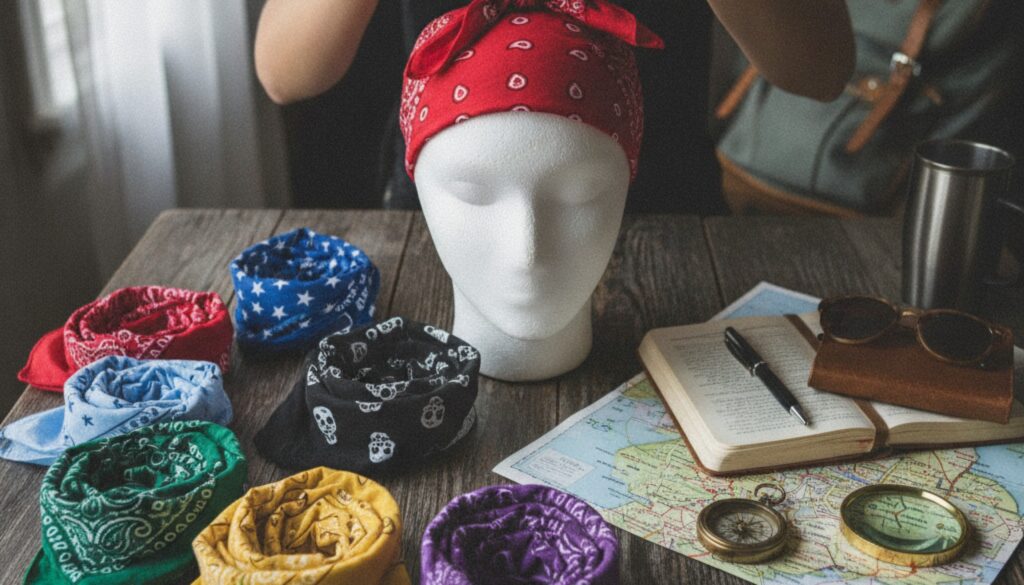
From humble beginnings as a practical workwear item to a high-fashion statement, the bandana has journeyed through centuries, cultures, and trends. This versatile piece of fabric, often adorned with vibrant patterns, holds a unique place in personal expression and utility, particularly within the diverse fashion landscape of the United Kingdom. Whether you’re looking to elevate your style, protect your hair, or add a touch of personality to your ensemble, understanding the rich history, myriad uses, and contemporary styling options of bandanas is essential. Join us as we explore why this timeless accessory remains a staple and how you can integrate it seamlessly into your life.
Table of Contents
- 1. The Enduring Legacy: A Brief History and Evolution of the Bandana in the UK
- 2. Crafting Your Choice: Understanding Bandana Fabrics, Patterns, and Sizes
- 3. Mastering the Art of Bandana Styling: Fashion-Forward Looks for Every Occasion
- 4. Beyond Fashion: The Practical and Functional Applications of a Bandana
- 5. The Bandana in British Culture: Trends and Influences Across the United Kingdom
- 6. Longevity and Vibrancy: Essential Care Tips for Your Bandana Collection
- 7. Making Conscious Choices: Sustainability and Ethical Sourcing of Bandanas
1. The Enduring Legacy: A Brief History and Evolution of the Bandana in the UK
The story of the bandana is as colourful and intricate as its most famous paisley patterns. Originating from the Hindi word ‘bandhnu,’ meaning ‘to tie,’ the concept of dyed and patterned cloths dates back thousands of years. Early bandanas were often functional, used by agricultural workers, sailors, and cowboys to protect against sun, dust, and sweat. Their utility made them indispensable across various labour-intensive professions worldwide, establishing them as a symbol of hard work and resilience.
In the United Kingdom, the bandana’s journey has been equally fascinating. During the industrial revolution, factory workers and miners adopted them for practical reasons, keeping hair out of machinery and absorbing perspiration. Later, they became associated with various subcultures. In the mid-20th century, rock and roll musicians, bikers, and rebellious youth began incorporating bandanas into their style, transforming them from purely utilitarian items into symbols of counter-culture and individuality. This cultural adoption cemented the bandana’s place in British fashion history, showcasing its remarkable adaptability.
From the fields to the factories, and then to the streets and stages, the bandana has consistently reinvented itself. Its simple square shape and vibrant designs have allowed it to transcend social classes and fashion eras, proving its timeless appeal. The ability of a bandana to convey both practicality and profound cultural significance is a testament to its enduring design and versatility, making it a truly unique accessory.
2. Crafting Your Choice: Understanding Bandana Fabrics, Patterns, and Sizes
Selecting the perfect bandana involves more than just picking a colour; it requires an understanding of the materials, patterns, and sizes available. Each element contributes to the bandana’s feel, drape, and overall aesthetic, influencing how it can be styled and its practical applications. Making an informed choice ensures your bandana not only looks great but also serves its intended purpose effectively.
Fabrics: From Everyday Cotton to Luxurious Silk
The material of your bandana dictates its texture, breathability, and how it holds its shape. Here are some common options:
- Cotton: The most popular choice, cotton bandanas are soft, breathable, absorbent, and durable. They are excellent for everyday wear, outdoor activities, and practical uses due to their comfort and ease of care.
- Silk: For a touch of elegance, silk bandanas offer a luxurious feel, a smooth drape, and a subtle sheen. They are gentler on hair and skin, making them ideal for more formal occasions or as a sophisticated neck or hair accessory.
- Polyester/Blends: Often used for sports or specific functional bandanas, these materials can offer moisture-wicking properties, quick-drying capabilities, and enhanced durability. They are also less prone to wrinkling.
Patterns: A Visual Language
The patterns on bandanas are often steeped in history and culture. While paisley is undeniably the most iconic, a wide array of designs exists:
- Paisley: Originating in Persia and India, the teardrop-shaped paisley motif became incredibly popular in the West via Scottish textile mills (specifically Paisley, Scotland). It symbolises life, fertility, and the iconic ‘teardrop of life.’
- Polka Dot: A timeless and playful pattern, polka dots add a vintage or whimsical touch.
- Solid Colours: For minimalist elegance or to match a specific outfit, solid-coloured bandanas offer versatility and understated style.
- Geometric and Abstract: Modern designs often feature bold geometric shapes, abstract art, or even contemporary prints, catering to diverse tastes.
- Novelty Prints: From floral to animal prints, or even themed designs, novelty bandanas allow for unique personal expression.
Sizes: Standard vs. Oversized
Most traditional bandanas are square, typically measuring around 22×22 inches (approximately 55×55 cm). This standard size is incredibly versatile for most headwear, neckwear, and wrist applications. However, larger ‘oversized’ bandanas (e.g., 27×27 inches or more) are also available, offering more fabric for elaborate wraps, turban styles, or use as a small scarf or shawl. Conversely, smaller ‘pocket squares’ (often 12×12 inches) serve primarily as suit pocket accents. Understanding these dimensions will help you achieve your desired look.
At Maz Accessories, we offer a diverse range of bandanas, meticulously selected for their quality and style, ensuring you find the perfect piece to complement your individuality.
3. Mastering the Art of Bandana Styling: Fashion-Forward Looks for Every Occasion
The true magic of the bandana lies in its unparalleled versatility. It’s not just a piece of fabric; it’s a canvas for personal expression, capable of transforming an outfit with a simple knot or fold. From chic hair accessories to sophisticated neckwear, the ways to style a bandana are limited only by imagination. Let’s explore some popular and innovative methods that are making waves in the United Kingdom’s fashion scene.
Headwear: From Classic Headband to Bohemian Wrap
Wearing a bandana in your hair is perhaps its most iconic application, offering both style and practicality. Here are a few popular ways:
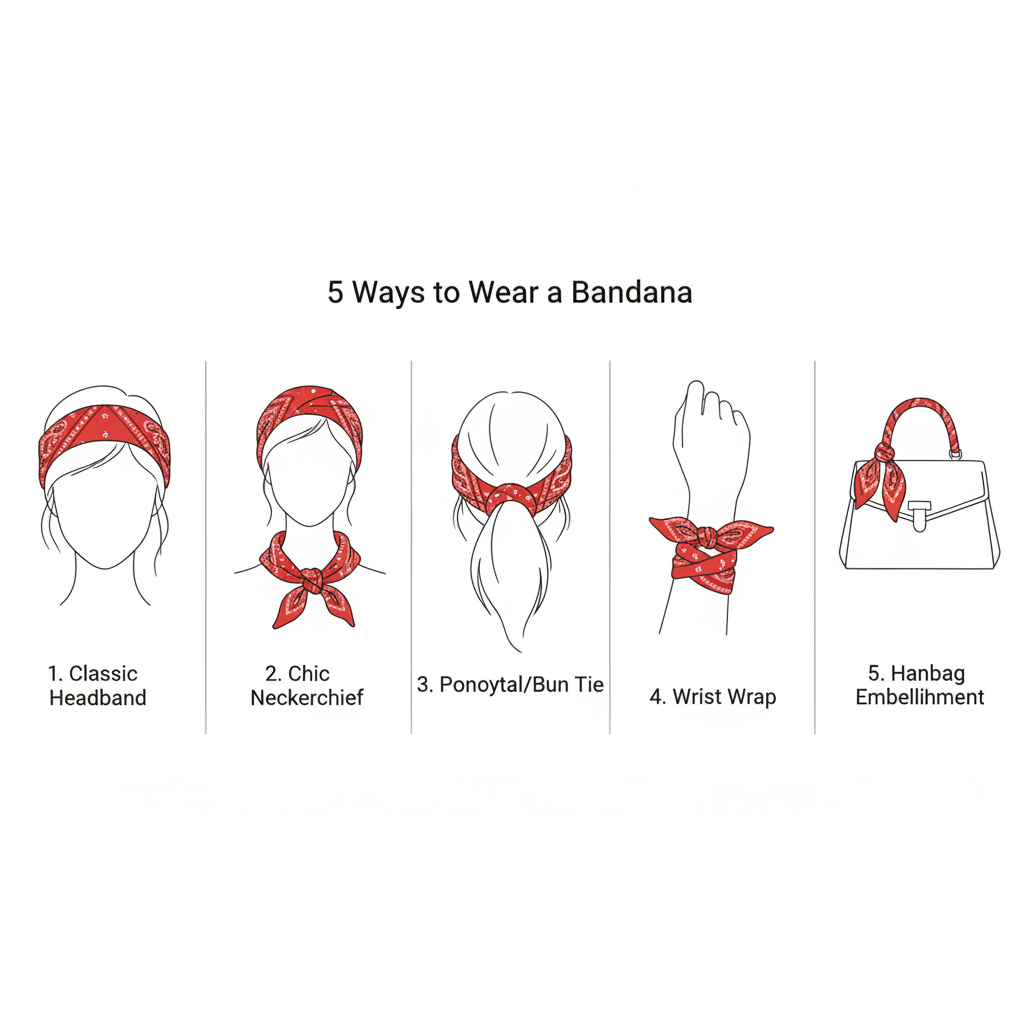
- Classic Headband: Fold your bandana into a narrow strip and tie it around your head, either with the knot at the nape of your neck or artfully positioned at the top. This look keeps hair out of your face and adds a touch of retro charm.
- Bohemian Hair Wrap: For a more relaxed, free-spirited vibe, fold the bandana into a triangle, place the longest edge at your forehead, and tie the ends at the back, letting the loose fabric fall over your hair. This is perfect for bad hair days or adding a festival feel.
- Ponytail or Bun Accent: Tie a small bandana around the base of a ponytail or bun to instantly elevate a simple hairstyle. Choose a contrasting colour or pattern for a pop of visual interest.
- Turban Style: For a sophisticated and protective look, especially with larger bandanas, learn to wrap it fully around your head, tucking the ends neatly. This style offers both elegance and sun protection.
Neckwear: Chic Scarves and Statement Chokers
The bandana as a neck accessory can range from casual cool to polished elegance:
- Classic Neckerchief: Fold the bandana into a triangle, then roll it into a narrow strip. Tie it around your neck with a simple knot at the front, side, or back. This adds a French chic touch to any outfit, whether worn with a simple tee or a button-down shirt.
- Bandana Choker: For a more edgy or modern look, fold the bandana into a very thin strip and tie it snugly around your neck, letting the ends hang or tucking them in. This pairs well with V-neck tops or open collars.
- Cowboy Knot: Fold the bandana into a triangle and tie it loosely around your neck with the point facing forward. This adds a rugged, adventurous flair, reminiscent of its historical origins.
Beyond the Head and Neck: Creative Styling Ideas
The bandana’s utility extends far beyond traditional wear, making it a truly versatile accessory for complementing various elements of your wardrobe:
| Styling Location | Description & Impact |
|---|---|
| Wrist Accessory | Wrap a bandana around your wrist like a bracelet. It adds a casual, bohemian, or rock-and-roll touch and can be a great way to introduce a pop of colour. |
| Bag Embellishment | Tie a bandana to the handle of your handbag or backpack. This instantly personalises your bag and adds a stylish accent, making it stand out. |
| Belt Alternative | Thread a long, narrow bandana through your belt loops. This works particularly well with jeans or casual trousers, offering a unique and soft alternative to a traditional belt. |
| Ankle Scarf | For a quirky and fashion-forward statement, tie a small bandana around your ankle, peeking out from above your trainers or boots. |
Experimentation is key when it comes to bandana styling. Don’t be afraid to try new knots, placements, and combinations. A single bandana can offer dozens of distinct looks, making it one of the most cost-effective and versatile accessories in your wardrobe. For more inspiration and to find your next statement piece, explore the diverse collection at Maz Accessories’ bandana shop.
4. Beyond Fashion: The Practical and Functional Applications of a Bandana
While the bandana is celebrated for its fashion versatility, its origins are deeply rooted in utility. This simple square of fabric can perform a surprising array of practical functions, making it an indispensable item for outdoor enthusiasts, travellers, and anyone who appreciates multi-purpose tools. Its compact size and durability mean it can be easily carried and deployed in various situations, providing solutions to common challenges.
Survival and Outdoor Utility
For hikers, campers, and adventurers in the United Kingdom and beyond, a bandana is often considered a survival essential:
- First Aid: It can serve as a makeshift bandage, sling, tourniquet, or compress for minor injuries. Its clean fabric can also be used to filter sediment from water in an emergency (though not to purify it of pathogens).
- Sun Protection: Worn over the head or neck, it provides crucial protection from the sun’s harmful UV rays, preventing sunburn and heatstroke.
- Dust Mask/Face Covering: In dusty environments or during activities like cycling, a bandana can be tied over the nose and mouth to filter out larger particles. In recent times, it has also been used as a simple face covering when others are unavailable.
- Sweatband: Ideal for absorbing sweat during strenuous activities, keeping perspiration out of your eyes and off your skin.
- Signalling: A brightly coloured bandana can be waved to attract attention in an emergency.
Everyday Practicalities
Even in daily life, a bandana proves its worth with numerous small but significant applications:
- Hair Tie/Headband: Beyond fashion, it’s a quick and effective way to tie back hair during cleaning, cooking, or exercise.
- Napkin/Handkerchief: A reusable and eco-friendly alternative to disposable tissues or paper napkins.
- Lens Cleaner: A soft cotton bandana can gently wipe smudges off glasses, camera lenses, or phone screens (ensure it’s clean and free of abrasive particles).
- Pet Accessory: A stylish and comfortable neckerchief for your furry friend, or even a temporary leash in a pinch.
- Potholder/Hot Pad: In a bind, a folded bandana can offer a thin layer of protection when handling warm items.
The simple design of the bandana belies its immense practical value. Its ability to adapt to so many different needs is why it has remained relevant for centuries and continues to be a staple in many households and adventure kits. Investing in a few quality bandanas is an investment in both style and preparedness. You can find robust and versatile options suitable for all these practical applications and more by browsing the range at Maz Accessories’ utility gear collection.
5. The Bandana in British Culture: Trends and Influences Across the United Kingdom
The bandana has carved out a unique cultural niche within the United Kingdom, reflecting various subcultures, fashion movements, and social expressions. Its presence has been felt from the gritty streets of working-class communities to the polished runways of London Fashion Week, showcasing its chameleon-like ability to adapt and signify different identities. Understanding these influences provides a deeper appreciation for this humble yet powerful accessory.
Subcultures and Identity
In the UK, bandanas have often been adopted by specific subcultures as markers of identity and allegiance:
- Punk and Rockers: From the 1970s onwards, bandanas became synonymous with punk rock and heavy metal scenes, often worn tied around the head, neck, or wrist as a symbol of rebellion and anti-establishment sentiment. This was particularly prominent in cities like London and Manchester.
- Biker Culture: The classic bandana remains a staple among biker communities, offering both practical protection under helmets and a distinctive aesthetic that speaks to freedom and the open road.
- Mod Revival: While not as central as in other subcultures, elements of the Mod revival sometimes incorporated neat neckerchiefs, including bandanas, to add a sharp, sophisticated edge to their tailored looks.
Fashion Trends and Mainstream Adoption
Beyond subcultures, the bandana has periodically entered mainstream British fashion, often reinterpreted by designers and celebrities:
- Festival Fashion: In the UK’s vibrant festival scene (Glastonbury, Reading & Leeds), bandanas are ubiquitous. They offer a practical solution for dusty fields and unpredictable weather while adding a bohemian or relaxed vibe to festival outfits.
- Streetwear: Contemporary streetwear brands and enthusiasts frequently incorporate bandanas, using them to add texture, colour, or a retro touch to urban ensembles. They often appear as head wraps, neck scarves, or even tied to belt loops.
- High Fashion: British designers have often drawn inspiration from everyday items, elevating the bandana to high fashion. It’s not uncommon to see silk bandanas gracing the necks or hair of models on UK runways, demonstrating its enduring appeal and capacity for luxury.
The bandana’s journey through British culture highlights its incredible adaptability. It can be a symbol of defiance, a practical tool, or a chic fashion statement, all depending on how it’s worn and by whom. This rich cultural tapestry makes the bandana not just an accessory, but a piece of living history, continuously evolving with the times. For insights into current trends and how bandanas are being styled across the United Kingdom, reputable fashion publications like British Vogue often feature editorial content on accessory styling.
6. Longevity and Vibrancy: Essential Care Tips for Your Bandana Collection
To ensure your beloved bandana remains vibrant, soft, and durable for years to come, proper care is essential. The longevity of this versatile accessory largely depends on the fabric and dyes used, so understanding basic washing and storage guidelines will help preserve its quality and appearance. Good care practices not only extend the life of your bandana but also ensure it continues to look its best, whether for fashion or utility.
Washing Instructions: Keeping Colours Bright
Most cotton bandanas are relatively easy to care for, but a few considerations can make a big difference:
- Separate by Colour: Especially for new bandanas or those with intense dyes, wash them separately or with similar colours to prevent colour bleeding onto other garments.
- Cold Water Wash: Always opt for cold water. Hot water can cause colours to fade more quickly and may lead to shrinkage, particularly with cotton.
- Gentle Cycle: Use a gentle machine cycle or hand wash for best results. Hand washing is especially recommended for delicate fabrics like silk to prevent snags or damage.
- Mild Detergent: Choose a mild, colour-safe detergent. Avoid harsh chemicals or bleach, which can strip colours and weaken fabric fibres.
- Rinse Thoroughly: Ensure all detergent is rinsed out to prevent residue buildup, which can make the fabric stiff.
Drying and Ironing: Maintaining Shape and Smoothness
How you dry and iron your bandana significantly impacts its appearance:
- Air Dry Preferred: The best method for drying bandanas is to air dry them by laying them flat or hanging them. This prevents shrinkage, maintains fabric integrity, and saves energy.
- Low Heat Tumble Dry: If using a dryer, select a low heat setting. Remove the bandana while it’s still slightly damp to minimise wrinkles and prevent over-drying.
- Ironing: If desired, iron your bandana on a low to medium heat setting while it’s still slightly damp. For silk bandanas, use a very low heat setting or a silk-specific iron setting, and iron on the reverse side to protect the sheen.
Storage: Keeping Them Ready to Wear
Proper storage prevents wrinkles and keeps your bandanas organised:
- Fold or Roll: Neatly fold or roll your bandanas to prevent creases. You can store them in a drawer, a small basket, or on a hanger with clips.
- Avoid Direct Sunlight: Store bandanas away from direct sunlight, which can cause colours to fade over time.
- Separate Delicates: Keep silk or more delicate bandanas separate from rougher fabrics to prevent snags.
By following these simple care instructions, your bandanas will remain a vibrant and functional part of your accessory collection for many years. A well-cared-for bandana is always ready to elevate your style or serve a practical purpose, offering enduring value.
7. Making Conscious Choices: Sustainability and Ethical Sourcing of Bandanas
In an increasingly conscious world, the choices we make as consumers have a profound impact. This extends to seemingly simple accessories like the bandana. Opting for sustainably and ethically sourced bandanas not only supports responsible manufacturing practices but also ensures you’re investing in a product that aligns with your values. As environmental awareness grows in the United Kingdom, more consumers are seeking transparency and integrity in their purchases, turning towards brands committed to a better future.
Understanding Sustainable Materials
The first step in making a conscious choice is to consider the materials used:
- Organic Cotton: Grown without harmful pesticides or synthetic fertilisers, organic cotton reduces environmental impact and supports healthier ecosystems. It’s also softer and often more durable.
- Recycled Fabrics: Bandanas made from recycled cotton, polyester, or other reclaimed materials divert waste from landfills and reduce the demand for virgin resources.
- Linen/Hemp: These natural fibres require less water and fewer pesticides than conventional cotton, making them excellent sustainable alternatives. They are also highly durable and become softer with age.
- Upcycled/Vintage: Giving new life to existing textiles or purchasing vintage bandanas is an ultimate form of sustainability, reducing demand for new production entirely.
Ethical Manufacturing and Fair Trade
Beyond the material, the conditions under which a bandana is produced are crucial:
- Fair Labour Practices: Look for brands that ensure fair wages, safe working conditions, and no child labour throughout their supply chain. Certifications like Fair Trade can offer assurance.
- Local Production: Supporting local manufacturers, especially within the United Kingdom, can reduce carbon footprints associated with long-distance shipping and often supports local economies and craftsmanship.
- Transparency: Brands that are transparent about their sourcing, manufacturing processes, and environmental policies demonstrate a commitment to ethical practices.
The Impact of Your Choice
Choosing a sustainable and ethical bandana contributes to:
- Reduced Environmental Footprint: Less pollution, water usage, and waste.
- Social Responsibility: Supporting fair treatment of workers and empowering communities.
- Higher Quality: Often, sustainably produced items are made with greater care and higher-quality materials, leading to increased durability.
- Conscious Consumption: Aligning your purchases with your values and encouraging the industry to adopt better practices.
As you build your bandana collection, consider the story behind each piece. By making informed choices, you can enjoy this versatile accessory while also contributing positively to the planet and its people. Maz Accessories is committed to exploring and offering products that meet high standards of quality and ethical sourcing, reflecting our dedication to responsible business practices. For further reading on sustainable fashion, resources like the Fashion Revolution website offer valuable insights.
Key Takeaways
- The bandana is a historically rich and incredibly versatile accessory, transitioning from utility to high fashion.
- Understanding fabric (cotton, silk), pattern (paisley, solid), and size is crucial for choosing the right bandana.
- Styling options are endless, from classic headbands and neckerchiefs to innovative bag or wrist accents.
- Beyond fashion, bandanas offer practical uses in survival, first aid, sun protection, and everyday tasks.
- The bandana holds significant cultural relevance in the UK, adopted by various subcultures and influencing mainstream fashion.
- Proper care, including cold washing and air drying, ensures the longevity and vibrancy of your bandana.
- Choosing sustainably and ethically sourced bandanas supports responsible manufacturing and environmental well-being.
Frequently Asked Questions About Bandanas
What is the standard size of a bandana?
The most common standard size for a bandana is approximately 22×22 inches (about 55×55 cm). This size is versatile enough for most head, neck, and wrist applications, offering a good balance between coverage and ease of styling. However, larger or smaller sizes are available for specific uses or aesthetic preferences.
Can bandanas protect me from the sun?
Yes, bandanas can offer a degree of protection from the sun, especially when worn over the head, neck, or face. While they don’t provide the same level of UV protection as dedicated UPF (Ultraviolet Protection Factor) clothing, a tightly woven cotton bandana can help shield your skin from direct sunlight, reducing the risk of sunburn and heat exposure. For extended periods in strong sun, additional sun protection is recommended.
How do I clean a bandana without fading its colours?
To prevent fading, always wash your bandana in cold water with a mild, colour-safe detergent. It’s best to wash new or brightly coloured bandanas separately or with similar colours to avoid dye transfer. Air drying is ideal, but if using a dryer, opt for a low heat setting. Avoid bleach and harsh chemicals, as these can strip colours and damage fabric fibres.
What’s the difference between a bandana and a neckerchief?
While often used interchangeably, a ‘bandana’ typically refers to a large, square piece of patterned cloth, traditionally made of cotton (often with a paisley print). A ‘neckerchief’ is a broader term for any scarf worn around the neck, which can include bandanas, but also encompasses smaller, often silk or linen squares, or even tubular scarves. Essentially, all bandanas can be worn as neckerchiefs, but not all neckerchiefs are bandanas.
Are bandanas still in fashion in the United Kingdom?
Absolutely! Bandanas have seen a significant resurgence in fashion across the United Kingdom and globally. They are a timeless accessory that continually reinvents itself, appearing in streetwear, bohemian styles, and even high fashion. Their versatility allows them to be incorporated into almost any outfit, making them a popular choice for adding a touch of personality, colour, or retro charm to both casual and more dressed-up looks.
Conclusion: The Enduring Charm and Utility of the Bandana
The bandana, a simple square of fabric, has proven itself to be far more than just an accessory. Its journey from a practical item for workers to a symbol of rebellion, and now a beloved fashion staple, speaks volumes about its enduring appeal and incredible versatility. Whether you’re seeking to make a bold style statement, protect yourself from the elements, or simply add a touch of personality to your everyday look, the bandana offers a world of possibilities.
From the bustling streets of London to the serene landscapes of the Scottish Highlands, bandanas are woven into the fabric of the United Kingdom’s diverse cultural and fashion tapestry. Their ability to adapt to changing trends while retaining their core utility is why they remain a must-have in any wardrobe. We hope this comprehensive guide has illuminated the rich history, practical uses, and myriad styling options available, inspiring you to explore the full potential of this remarkable accessory.
Ready to discover your next favourite bandana? Explore the exquisite collection of high-quality, stylish, and versatile bandanas at Maz Accessories. Find the perfect patterns, fabrics, and colours to express your unique style and elevate your accessory game today!
