
Stocking a Gift Shop UK: The Ultimate 2024 Checklist
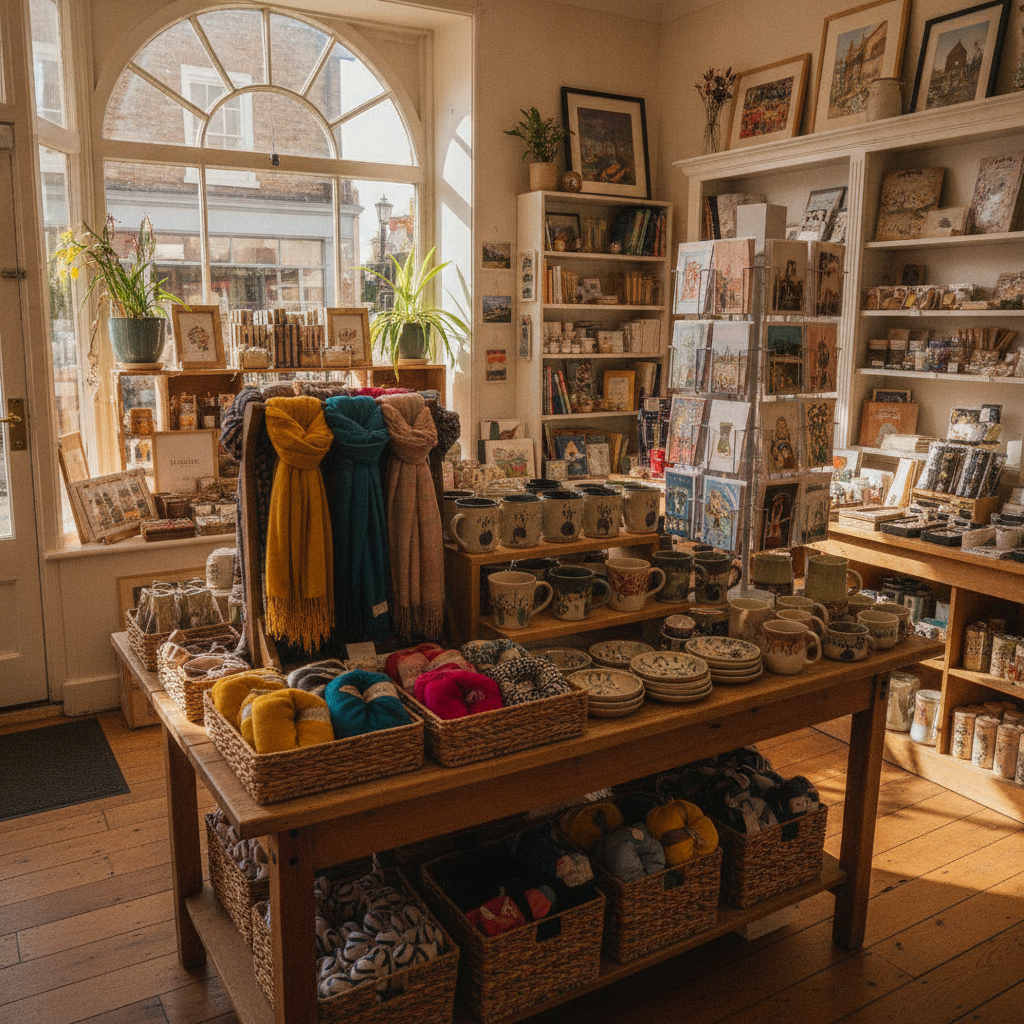
Embarking on the journey of opening a new retail business is an exhilarating prospect. The crucial first step, especially when it comes to stocking a gift shop UK entrepreneurs will be proud of, is curating a collection that captivates and converts. This process is far more than just filling shelves; it’s about telling a story, understanding your customer, and building a brand from the ground up. A well-stocked shop is the lifeblood of your business, setting the tone for your customer experience and ultimately determining your profitability in the competitive United Kingdom market.
Table of Contents
- 1. Understanding Your Target Market and Niche in the UK
- 2. The Financial Foundations of Stocking a Gift Shop in the UK
- 3. Curating Your Core Product Categories
- 4. Finding and Vetting Wholesale Suppliers in the United Kingdom
- 5. Mastering Inventory Management and Visual Merchandising
- 6. Building a Seasonal Stocking Strategy for the UK Market
- 7. Navigating Legal and Logistical Considerations for UK Retailers
1. Understanding Your Target Market and Niche in the UK
Before you purchase a single item, the most critical step is to deeply understand who you are selling to. Without a clear picture of your ideal customer, your buying decisions will be based on guesswork, which is a risky strategy in retail. The UK market is diverse, and what sells in a quaint Cornish village will differ vastly from what flies off the shelves in a trendy London borough.
Identifying Your Ideal Customer Persona
A customer persona is a detailed profile of your ideal buyer. It goes beyond simple demographics like age and gender to include their lifestyle, values, interests, and buying habits. Give them a name, a job, and a story. This exercise transforms an abstract audience into a tangible person you can buy for.
Consider these questions to build your persona:
- Demographics: What is their age range, income level, and location? Are they a local resident or a tourist?
- Lifestyle: What are their hobbies? Are they eco-conscious, a homebody, a fashion enthusiast, a keen traveller?
- Values: Do they prioritise British-made goods, sustainability, luxury, or value for money?
- Shopping Habits: Are they an impulse buyer or a thoughtful gift-giver? What occasions do they typically buy gifts for? Birthdays, anniversaries, ‘just because’ moments?
For example, a shop in a historic city like York might target tourists looking for high-quality, British-made souvenirs, as well as locals seeking unique gifts for special occasions. In contrast, a shop in a modern, urban area might cater to young professionals looking for quirky homewares and design-led stationery.
Researching Local Competition and Market Gaps
Once you know your customer, analyse your competition. Walk around your chosen location and visit other gift shops, homeware stores, and even florists or bookshops that sell gift items. Don’t just browse; be a detective. Make notes on what they sell, their price points, their store layout, and their overall brand aesthetic. This isn’t about copying them; it’s about finding your unique space in the market.
Look for gaps. Is everyone selling the same generic wholesale items? Perhaps there’s an opportunity for handcrafted, artisan products. Are all the shops very traditional? Maybe a modern, minimalist approach would stand out. Identifying a market gap allows you to offer something fresh and exciting that customers aren’t finding elsewhere.
Defining Your Unique Selling Proposition (USP)
Your USP is the heart of your brand. It’s the answer to the question: “Why should a customer buy from you instead of anyone else?” It’s the unique value you offer. Your USP should be a thread that runs through every aspect of your business, especially your product selection.
Your USP could be:
- Exclusively British-Made: Championing local artisans and UK manufacturing.
- Eco-Friendly & Sustainable: Focusing on recycled materials, plastic-free products, and ethical sourcing.
- Hyper-Local Focus: Selling products made by artists and makers within a 20-mile radius.
- Curated Niche: Specialising in a specific theme, such as botanical gifts, gothic-inspired items, or gifts for men.
A strong USP makes stocking a gift shop in the UK a much more focused and effective process. It becomes your guiding principle for every buying decision.
2. The Financial Foundations of Stocking a Gift Shop in the UK
Passion and a great eye for products are essential, but a solid financial plan is what will sustain your business. Underestimating the costs of inventory is a common pitfall for new retailers. A clear budget and a firm grasp of pricing are non-negotiable for success in the United Kingdom’s retail landscape.
Creating a Realistic Inventory Budget
Your initial stock order will be one of your largest upfront expenses. Your budget should be based on a careful forecast of sales, but for a new business, this involves educated guesswork. Start by calculating your ‘Open-to-Buy’ (OTB) budget. A simple way to think about this is: Planned Sales + Planned Markdowns + Planned End-of-Month Inventory – Planned Beginning-of-Month Inventory = OTB.
For a brand-new shop, a more straightforward approach is to allocate a percentage of your total startup capital to initial inventory. A common range is 25-40%, but this depends heavily on your shop size and product mix. Always budget conservatively. It’s better to start with a slightly smaller, curated range and add to it as you learn what sells, rather than being left with a mountain of unsold stock and no cash flow.
Understanding Pricing, Markups, and Profit Margins
Pricing is both an art and a science. Price too high, and you’ll deter customers; price too low, and you won’t cover your costs. The standard retail markup is ‘keystone’, which means doubling the wholesale price (a 100% markup). So, if you buy a candle for £10 wholesale, you sell it for £20. However, this is a starting point, not a rigid rule.
You must factor in all your costs:
- Cost of Goods Sold (COGS): The wholesale price you pay for the product.
- Overheads: Rent, business rates, utilities, staff wages, marketing, insurance.
- VAT: If you are VAT registered, you need to account for this in your pricing. The standard rate in the UK is 20%.
Different product categories can also sustain different markups. High-volume items like greeting cards might have a higher markup (e.g., 2.2x to 2.5x), while more expensive items might have a slightly lower one. Your brand positioning also plays a role; a luxury boutique can command higher prices than a value-focused shop.
| Strategy | Wholesale Price | Markup Multiplier | Retail Price (excl. VAT) | Best For |
|---|---|---|---|---|
| Keystone | £10.00 | 2.0x | £20.00 | General giftware, standard items |
| Premium | £10.00 | 2.5x | £25.00 | Unique, high-demand, or low-volume items |
| Value/Volume | £10.00 | 1.8x | £18.00 | Competitive markets, price-sensitive goods |
Sourcing Funding and Managing Cash Flow
Cash flow is king in retail. You will be paying suppliers for stock weeks or even months before you sell it to a customer. This gap needs to be managed carefully. Ensure you have enough working capital to cover your initial stock purchase and at least 3-6 months of operating expenses without relying on sales revenue. Explore funding options like a UK Government Start Up Loan or traditional business loans. Once open, monitor your cash flow weekly. A good Point of Sale (POS) system can provide reports to help you track your sales velocity and inventory turnover, which are key metrics for healthy cash flow.
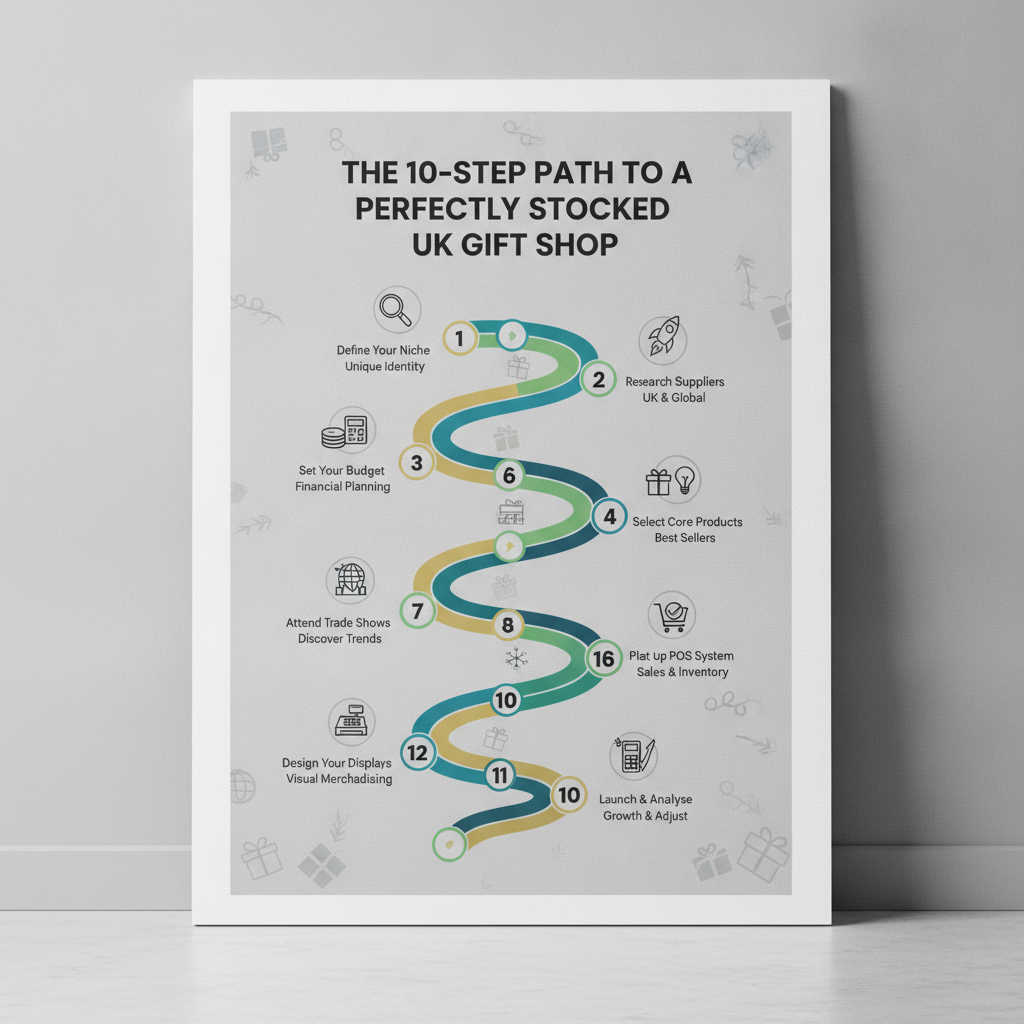
3. Curating Your Core Product Categories
Now for the exciting part: choosing your products! Your inventory should be a thoughtful mix of categories that appeal to your target customer and reflect your brand’s USP. A well-curated shop feels cohesive and makes shopping an enjoyable experience of discovery.
Essential Gift Shop Staples
Every gift shop needs its bread-and-butter items. These are the high-margin, high-turnover products that customers often buy on impulse or as an add-on. They provide a steady stream of revenue.
- Greeting Cards: A cornerstone of any gift shop. Offer a wide range covering birthdays, anniversaries, thank yous, and blank cards. Look for unique, design-led brands that aren’t found in major supermarkets.
- Gift Wrap, Bags, and Tags: A necessary add-on sale. Offer quality paper and stylish designs that complement your gift selection.
- Stationery: Notebooks, pens, journals, and planners are consistently popular. Quality and design are key differentiators here.
- Candles and Home Fragrance: Scent is a powerful sales tool. Diffusers, candles, and wax melts create ambiance in-store and are a very popular gift item.
- Chocolates and Confectionery: Small, gourmet treats are a perfect impulse buy or add-on gift. Source from local or artisanal producers for a unique offering.
Sourcing Local and British-Made Products
There’s a growing consumer desire to support local economies and reduce carbon footprints. Championing British-made products can be a powerful USP. This allows you to tell a compelling story about the provenance of your goods, the maker behind them, and the quality of the craftsmanship. Seek out local potters, artists, jewellers, and food producers. This not only gives you exclusive products but also roots your shop firmly in its community.
Exploring Popular Niches: Eco-Friendly, Artisan, Luxury
Beyond the staples, your niche products are what will make your shop a destination. Based on your market research, lean into a specific area. If your USP is sustainability, your entire range should reflect this – from recycled-paper cards to plastic-free toiletries and reusable coffee cups. If you’re targeting a luxury market, focus on high-end materials, premium packaging, and brands with a reputation for quality. An artisan focus means every item has a story of craftsmanship behind it.
The Role of Accessories: Scarves, Bags, and Jewellery
Fashion accessories are a fantastic addition to a gift shop’s mix. They don’t have the sizing complexities of clothing and offer excellent profit margins. Items like scarves, tote bags, purses, and costume jewellery can instantly lift a product range. They are highly giftable and allow customers to treat themselves as well as others.
At Maz Accessories, we specialise in providing independent retailers with a stunning range of wholesale accessories. From beautifully printed scarves to stylish handbags, our collections are designed with the UK gift market in mind. Exploring our wholesale accessories program can provide you with a reliable source of high-quality, on-trend products that your customers will love.
4. Finding and Vetting Wholesale Suppliers in the United Kingdom
Your suppliers are your business partners. Building strong relationships with the right wholesalers, makers, and distributors is fundamental to stocking a gift shop UK retailers can rely on for quality and consistency. The goal is to find suppliers who are reliable, offer products that fit your brand, and provide fair commercial terms.
Attending UK Trade Shows and Fairs
Trade shows are the single most efficient way to find a multitude of suppliers under one roof. They allow you to see and feel products in person, which is invaluable. You can meet the people behind the brands, ask questions, and discover new and emerging talent. Major UK shows include:
- Spring Fair & Autumn Fair: Held at the NEC in Birmingham, these are the UK’s largest gift and home trade shows. They are an absolute must-visit for any new shop owner. You can learn more about upcoming events on their official website.
- Top Drawer: A more curated, design-led show held in London, perfect for shops with a contemporary, high-end focus.
- Harrogate Christmas & Gift Fair: As the name suggests, this is the key event for placing your all-important Christmas orders.
Using Online Wholesale Marketplaces
In recent years, online wholesale marketplaces have become an invaluable resource, especially for discovering smaller, independent brands. Platforms like Faire, Ankorstore, and Creoate connect retailers with thousands of makers. The benefits often include low minimum order values (MOVs), free returns on first orders from a brand, and extended payment terms (e.g., net 60), which can be a huge help for cash flow when you’re starting out.
Working Directly with Artisans and Makers
For truly unique products, consider approaching local artists and makers directly. You might discover them at local craft markets, on social media platforms like Instagram, or through creative marketplaces like Etsy. Building a direct relationship can lead to exclusive products or even collaborations. However, be aware that small makers may have longer lead times and less formal ordering processes, so communication is key.
Key Questions to Ask Potential Suppliers
Before committing to an order, do your due diligence. Treat it like a job interview. Key questions to ask include:
- What is your Minimum Order Value (MOV)?
- What is your carriage paid amount (the order value for free delivery)?
- What are your payment terms (e.g., pro-forma, Net 30)?
- What is your typical lead time from order to delivery?
- What is your policy for damaged or faulty items?
- Do you offer any geographical exclusivity to protect retailers in the same town?
A good supplier will be transparent and happy to answer these questions. Be wary of any who are vague or uncommunicative.
5. Mastering Inventory Management and Visual Merchandising
Getting the stock into your shop is only half the battle. How you manage, display, and sell it is what turns products into profit. Effective inventory management prevents you from tying up cash in slow-moving items, while creative merchandising entices customers to buy.
Choosing an Inventory Management System (POS)
In today’s retail environment, a modern Point of Sale (POS) system is not just a cash register; it’s the brain of your operation. A good system will track every item from the moment it arrives to the moment it’s sold. This data is gold.
Look for a system that offers:
- Real-time stock tracking: Know exactly what you have on hand at any given moment.
- Sales reporting: Easily identify your bestsellers and your slowest movers. This data should inform all future buying decisions.
- Supplier management: Keep track of orders and supplier details in one place.
- Customer relationship management (CRM): Build a customer database for marketing purposes.
- E-commerce integration: Crucial if you plan to sell online as well as in-store.
Popular POS systems in the UK for independent retailers include Lightspeed, Vend (now part of Lightspeed), and Square.
The Art of Visual Merchandising: Creating Compelling Displays
Visual merchandising is the silent salesperson of your shop. It’s how you use layout, lighting, colour, and product placement to create an attractive and shoppable environment. The goal is to draw customers in, guide them through the store, and encourage them to purchase.
Key principles include:
- Create a Decompression Zone: Keep the first 5-10 feet of your shop relatively open to allow customers to transition from the outside world.
- Use a Power Wall: The first wall customers see (typically to the right) is your prime real estate. Create a high-impact display here.
- Group Products Logically: Create stories or themes. Group items by colour, by occasion (e.g., ‘Gifts for Gardeners’), or by brand. This helps customers find what they’re looking for and encourages cross-sells.
- Vary Heights: Use risers, crates, and different-sized tables to create visual interest. A flat, one-level display is boring to the eye.
- The Rule of Three: Grouping items in odd numbers, especially threes, is more visually appealing than even numbers.
- Refresh Regularly: Move displays around every 2-4 weeks. Even just changing the location of a product can make regular customers see it with fresh eyes.
Stock Rotation and Managing Dead Stock
Not everything you buy will be a bestseller. It’s a simple fact of retail. The key is to identify these ‘dead stock’ items quickly and take action. Use your POS data to run reports on items that haven’t sold in, say, 90 days. First, try re-merchandising them in a different location or as part of a new display. If they still don’t sell, it’s time to mark them down. A sale or clearance section is essential. It’s better to recoup your initial cost (or even take a small loss) and reinvest that cash into new products that will sell, rather than have it sitting dead on a shelf.
6. Building a Seasonal Stocking Strategy for the UK Market
The UK retail calendar is punctuated by key seasons and holidays that present massive opportunities for gift shops. A proactive seasonal stocking strategy is essential for maximising sales throughout the year. This means planning and ordering months in advance to ensure you have the right products at the right time.
Planning for Key Retail Holidays
Your year should be mapped out around these key events. For major seasons like Christmas, you should be placing orders as early as January at the trade shows.
- Christmas: The golden quarter. Your biggest buying season. Orders need to be placed by summer at the latest. Stock includes decorations, advent calendars, festive-themed gifts, and premium food and drink.
- Valentine’s Day (14th Feb): Focus on cards, chocolates, romantic gifts, and jewellery.
- Mother’s Day (March): A huge event for gift shops. Stock up on floral-themed items, pampering gifts, home fragrance, and accessories like scarves and bags.
- Father’s Day (June): Often considered harder to buy for, so offer a curated selection of grooming products, books, gadgets, socks, and hobby-related gifts.
- Easter (March/April): Beyond chocolate, think about spring-themed homewares, decorations, and gifts for children.
Capitalising on the Tourist Season
If your shop is in a tourist location, the summer months are your peak season. While locals are on holiday, you’ll be catering to visitors. This is the time to push products that act as souvenirs and mementos. This doesn’t have to mean generic tat. Think locally-made crafts, postcards by local artists, books about the area, and food products from regional producers. These items offer an authentic taste of the location that tourists are looking for.
Adapting Your Inventory for Autumn/Winter and Spring/Summer
Beyond the major holidays, your core stock should reflect the changing seasons. This creates a sense of newness and encourages repeat visits.
- Spring/Summer: Introduce brighter colours. Stock items for the garden, outdoor living, and travel. Think picnic baskets, lighter scarves, sunglasses, and floral scents.
- Autumn/Winter: Shift to a warmer, cosier aesthetic. Bring in rich, deep colours. Stock candles with scents like cinnamon and pine, chunky knit blankets, mugs for hot chocolate, and cosy accessories like woolly hats and gloves. This is a key part of making your shop a welcoming haven during the colder months.
Successful seasonal buying is a cycle. Immediately after a season ends, review your sales data. What sold well? What was left over? Use these insights from the Office for National Statistics retail reports and your own POS data to inform your buying for the following year.
7. Navigating Legal and Logistical Considerations for UK Retailers
The final piece of the puzzle involves the practical and legal aspects of getting stock into your shop and selling it to the public. Overlooking these details can lead to costly mistakes and even legal trouble.
Product Safety and Compliance (CE/UKCA Marking)
As a retailer, you have a legal responsibility to ensure the products you sell are safe. This is particularly important for toys, electrical goods, and cosmetics. Look for the UKCA (UK Conformity Assessed) mark on products, which indicates that the manufacturer has declared the product complies with UK safety regulations. For stock sourced from the EU, you may still see the CE mark. It’s your responsibility to source from reputable suppliers who can provide documentation of compliance if required. You can find detailed guidance on the UK government’s product safety page.
Understanding VAT and Import Duties
If your business’s taxable turnover is above the current threshold (which you should check on the GOV.UK website), you must register for VAT. This means you will charge VAT on the items you sell and can reclaim the VAT you pay on your stock purchases and other business expenses. Pricing needs to carefully account for this. If you are sourcing products from outside the United Kingdom, be prepared for import duties and customs clearance fees. These costs must be factored into your final retail price to protect your margin.
Setting Up Your Receiving and Stockroom Process
An efficient back-of-house process is just as important as a beautiful shop floor. When a delivery arrives, you need a clear system:
- Check the Delivery Note: Ensure everything you were invoiced for has arrived. Report any discrepancies or damages to your supplier immediately, ideally with photographic evidence.
- Price and Tag: Price every item consistently before it hits the shop floor.
- Enter into POS: Add the new stock to your inventory system accurately. This is a crucial step for maintaining correct stock levels.
- Organise the Stockroom: A tidy, well-organised stockroom saves huge amounts of time. Group items by category or supplier so you can easily find them when you need to replenish the shelves.
A smooth logistical process ensures that your fantastic products make it onto the shop floor quickly and efficiently, ready to be discovered by your eager customers.
Key Takeaways
- Know Your Customer: Define your target audience and niche before buying any stock. This is the foundation of a successful gift shop.
- Budget Wisely: Create a detailed inventory budget and understand your pricing, markups, and margins to ensure profitability.
- Curate a Balanced Range: Mix essential staples like cards and wrap with unique, niche products that reflect your brand’s USP.
- Build Supplier Relationships: Use trade shows, online marketplaces, and direct sourcing to find reliable partners for your business.
- Manage and Merchandise: Use a POS system to track inventory and create compelling visual displays to drive sales.
- Plan Seasonally: Order well in advance for key UK retail holidays and adapt your core range for the changing seasons.
How much money do I need to stock a new gift shop in the UK?
This varies greatly depending on shop size and location, but a starting inventory budget for a small independent gift shop in the UK could range from £10,000 to £25,000+. It’s crucial to create a detailed budget based on your specific circumstances and to start conservatively.
What are the most profitable items to sell in a gift shop?
Typically, high-margin, high-turnover items like greeting cards, candles, stationery, and small confectionery are very profitable. Accessories such as scarves and jewellery also offer excellent margins. The most profitable items for your specific shop will ultimately depend on your target audience and location.
How do I find unique wholesale suppliers in the United Kingdom?
Attend major UK trade shows like Spring Fair and Top Drawer. Explore online wholesale marketplaces like Faire to discover independent makers. Also, visit local craft markets and search on platforms like Instagram and Etsy to find local artisans you can work with directly for truly unique products.
What is a typical markup for gift shop items?
The industry standard is ‘keystone’ pricing, which is a 2.0 to 2.2 multiplier on the wholesale cost (a 100-120% markup). For example, an item bought for £5 wholesale would be priced at £10-£11. However, this can be adjusted up or down based on the product type, brand positioning, and market competition.
When should I start buying stock for Christmas?
You should start buying Christmas stock much earlier than you think. Many retailers place their main Christmas orders at the Harrogate Christmas & Gift Fair in July or even at Spring Fair in February for the following year. For a new shop, aim to have your orders placed by late summer (July/August) to ensure delivery in time for the festive season, which typically kicks off in October.
Your Journey Starts Here
Successfully stocking a gift shop in the UK is a complex but incredibly rewarding process. It’s a blend of financial acumen, market analysis, and creative curation. By following this comprehensive checklist, you can move from a hopeful entrepreneur to a confident retailer with a clear plan for success. Remember to start with your customer, manage your finances diligently, and build a product range that tells a unique and compelling story.
Building a successful retail business is about partnership and sourcing the very best products for your customers. If you are looking to add a beautiful range of high-quality accessories to your collection, we invite you to learn more about our offerings. Contact our friendly team today to discuss how we can help you build the gift shop of your dreams.
