
UK Wholesale Hat Supplier: The Ultimate Vetting Checklist

Choosing the right partner for your retail business is paramount, and this is especially true when sourcing inventory. For any fashion brand or boutique in the United Kingdom, finding a reliable MAZ Accessories UK wholesale hat supplier isn’t just a logistical step; it’s a foundational decision that impacts your brand’s quality, reputation, and profitability. A great supplier provides more than just products—they offer consistency, innovation, and a partnership that can help your business flourish. Conversely, a poor choice can lead to stock issues, unhappy customers, and a damaged bottom line. This comprehensive guide provides the ultimate checklist for vetting wholesale hat suppliers, ensuring you make an informed decision that sets your business up for success.
Table of Contents
- Why Vetting Your Wholesale Hat Supplier is Crucial
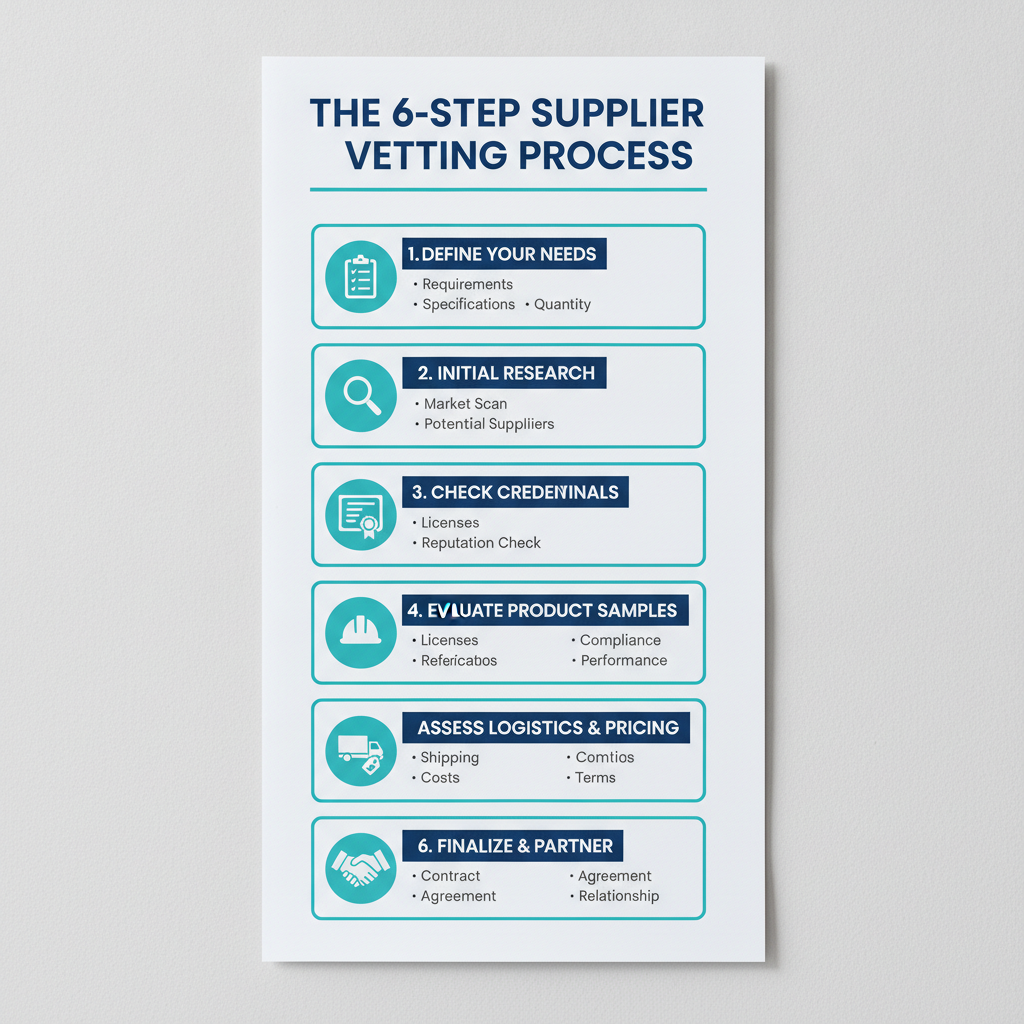
- Step 1: Defining Your Business Needs and Product Requirements
- Step 2: Researching and Shortlisting Potential UK Wholesale Hat Suppliers
- Step 3: Deep Dive into Supplier Credentials and Reputation
- Step 4: Evaluating Product Quality and Material Sourcing
- Step 5: Assessing Logistics, Pricing, and Communication
- Step 6: Making the Final Decision and Building a Strong Partnership
Why Vetting Your Wholesale Hat Supplier is Crucial for Your Business
In the fast-paced world of fashion retail, your suppliers are the bedrock of your business. The quality of your products is a direct reflection of your brand, and hats are no exception. A well-made hat can be a statement piece, a functional accessory, and a symbol of style. But a poorly constructed one can quickly tarnish a customer’s perception of your entire operation. Vetting a UK wholesale hat supplier is a non-negotiable process that safeguards your business against a multitude of risks while unlocking significant advantages.
The Risks of Inadequate Vetting
Skipping the due diligence process can have severe consequences. A supplier that seems great on the surface—perhaps offering rock-bottom prices—could be a liability in disguise. The potential pitfalls include:
- Inconsistent Quality: The samples might be perfect, but will the bulk order match? Inconsistent stitching, poor material quality, and incorrect sizing can lead to high return rates and customer complaints.
- Unreliable Supply Chain: A supplier with poor logistics management can cause significant delays. Missed seasonal windows (e.g., not having winter beanies in stock by October) can result in lost sales and excess inventory that needs to be heavily discounted.
- Ethical and Compliance Issues: Modern consumers are increasingly concerned with ethical sourcing. Partnering with a supplier that uses unethical labor practices or non-compliant materials can lead to severe reputational damage. It’s crucial to understand their supply chain and ensure it aligns with your brand’s values and UK regulations on modern slavery.
- Poor Communication: A non-responsive or difficult-to-reach supplier can turn minor issues into major crises. Clear, prompt communication is essential for managing orders, resolving problems, and planning future stock.
- Hidden Costs: The initial quote might be low, but what about shipping fees, import duties, or charges for returns? A lack of transparency in pricing can erode your profit margins unexpectedly.
The Benefits of a Thoroughly Vetted Partner
On the other hand, investing time in finding the right partner yields long-term benefits that extend far beyond simply receiving inventory. A strong supplier relationship is a strategic asset.
A reliable partner like a well-established MAZ Accessories UK wholesale hat supplier offers peace of mind. You can trust that the products you receive will meet your standards every time, allowing you to focus on marketing, sales, and customer service. They provide consistent product quality, which builds customer trust and loyalty to your brand. Furthermore, a good supplier often has their finger on the pulse of the industry, offering insights into upcoming trends and providing access to new, innovative designs that can give you a competitive edge. This collaborative relationship can lead to better terms, custom design opportunities, and a smoother, more profitable business operation overall.
Step 1: Defining Your Business Needs and Product Requirements
Before you can find the perfect supplier, you must have a crystal-clear understanding of what you’re looking for. This internal audit is the foundation of your search. Without well-defined criteria, you risk being swayed by irrelevant factors or choosing a supplier that isn’t a good fit for your specific business model. This step involves looking inward at your brand, your target audience, and your operational capacity.
Identify Your Target Audience and Brand Aesthetic
Who are you selling to? The hats you stock should resonate with your ideal customer. Are you targeting young, trend-focused consumers, or an older demographic looking for classic, timeless styles? Your brand’s aesthetic plays a huge role here.
- Luxury Boutiques: May require premium materials like 100% wool, cashmere, or genuine leather. The focus is on craftsmanship, heritage, and sophisticated design.
- Streetwear Brands: Will likely focus on snapbacks, bucket hats, and beanies, often with bold graphics, logos, and contemporary materials.
- Outdoor/Adventure Retailers: Need functional headwear—waterproof caps, thermal beanies, and sun hats with UV protection. Durability and performance are key.
- Fast-Fashion Stores: Prioritize trendy styles at an accessible price point, requiring a supplier who can quickly produce current, in-demand designs.
Defining this helps you narrow down the type of supplier you need. Some specialize in high-end fedoras, while others are experts in mass-producing embroidered baseball caps. Knowing your niche is the first filter in your search.
Determine Your Product Specifications
Once you know your style, get specific about the products. Create a detailed list of your requirements. This isn’t just about the ‘type’ of hat; it’s about the fine details.
- Hat Styles: Be specific. Do you need fedoras, trilbies, beanies, baseball caps, bucket hats, flat caps, or sun hats?
- Materials: List your preferred materials. Cotton, wool, felt, straw, polyester, acrylic, or sustainable options like organic cotton or recycled polyester. Understanding the properties of each is vital. For instance, wool is great for warmth, while straw is ideal for summer breathability.
- Sizing: Will you offer one-size-fits-all, or a range of specific sizes (S, M, L, XL)? This will impact inventory management and supplier capability.
- Customization: Do you need custom branding, such as embroidered logos, woven labels, or unique colorways? Not all suppliers offer robust customization services.
- Quantity and Budget: Estimate your initial order quantity (per style/color) and define your target cost per unit. This will help you filter suppliers based on their Minimum Order Quantities (MOQs) and pricing structures.
Having this detailed brief prepared will make your communication with potential suppliers far more efficient and professional. It shows you’ve done your homework and are serious about your business.
Step 2: Researching and Shortlisting Potential UK Wholesale Hat Suppliers
With your requirements defined, it’s time to begin the search. The goal of this stage is to create a longlist of potential suppliers, which you will then narrow down through more rigorous vetting. Casting a wide net initially ensures you don’t miss out on hidden gems. The United Kingdom has a rich history in textiles and fashion, meaning there are many excellent suppliers to be found if you know where to look.
Where to Find Potential Suppliers
Leverage a mix of online and offline resources to build your initial list of candidates. Relying on just one channel might limit your options.
- Online Search Engines: This is the most common starting point. Use specific, long-tail keywords like “wholesale fedora hats UK,” “custom beanie supplier Manchester,” or “sustainable headwear distributor London.” Go beyond the first page of results to uncover smaller or more specialized companies.
- B2B Marketplaces: Websites like Alibaba, Global Sources, and Faire have UK-based supplier sections. While useful, be sure to apply extra scrutiny as the platform is merely a directory, and quality can vary wildly.
- Industry Trade Shows: Events like Pure London or Moda are invaluable. They allow you to meet suppliers in person, see and touch their products, and ask questions directly. This tactile experience is something online research can’t replicate.
- Social Media & Forums: Platforms like LinkedIn can be surprisingly effective. Search for supplier company pages or join retail and fashion industry groups to ask for recommendations. Reddit communities (e.g., r/smallbusinessuk) can also provide candid, real-world feedback from other business owners.
- Competitor Analysis: While you won’t know their exact supplier, you can analyze the types of products your competitors are selling. This can give you clues about the styles and quality standards that are successful in your market, helping you refine your search terms.
Creating Your Initial Longlist
As you discover potential suppliers, create a spreadsheet to keep your research organized. This will become your central hub for the vetting process. For each supplier, record the following information:
| Criteria | Supplier A | Supplier B | Supplier C |
|---|---|---|---|
| Company Name | |||
| Website URL | |||
| Contact Information | |||
| Specialization (e.g., Caps, Fedoras) | |||
| Stated MOQ | |||
| Initial Impression/Notes |
Aim for a list of 10-15 suppliers initially. This gives you enough options to compare without becoming overwhelming. Your goal is to gather data now, so you can analyze and shortlist in the next step.
Step 3: Deep Dive into Supplier Credentials and Reputation
With your longlist in hand, it’s time to transition from researcher to detective. This stage is all about scrutinizing the credibility and reliability of each potential supplier. A slick website and a glossy catalogue are easy to create; a solid reputation and verifiable credentials are not. This is where you separate the established professionals from the fly-by-night operations.
Company History and Experience
An experienced supplier has likely weathered market fluctuations, refined their processes, and built strong relationships within the industry. Look for signs of longevity and stability.
- Years in Business: How long have they been operating? A company with decades of experience, like MAZ Accessories, often indicates stability and deep industry knowledge. Check their ‘About Us’ page for their history.
- Company Registration: Verify that they are a legitimate registered business in the UK. You can use the Companies House service for free to check their registration status, address, and filing history. Red flags include newly formed companies with little public information or discrepancies in their listed address.
- Specialization: Do they specialize in headwear, or is it just one small category among thousands of other products? A specialist is more likely to have expert knowledge, better quality control, and a more curated selection. This is a key reason to seek out a dedicated UK wholesale hat supplier.
Certifications and Compliance
Certifications from recognized bodies are a strong indicator of a supplier’s commitment to quality and ethical standards. While not always mandatory, they show a willingness to undergo third-party auditing.
- ISO 9001: This is the international standard for a quality management system (QMS). A supplier with ISO 9001 certification has proven processes in place to ensure consistent quality and customer satisfaction.
- Ethical and Social Audits: Look for certifications like SEDEX or WRAP, which assess labor standards, health and safety, and environmental practices within the supply chain.
- Material Certifications: If you’re interested in sustainable products, ask about certifications like GOTS (Global Organic Textile Standard) for organic cotton or GRS (Global Recycled Standard) for recycled materials.
Online Reviews, Testimonials, and Case Studies
What are other businesses saying about them? Look for independent feedback beyond the curated testimonials on their own website.
- Google Reviews & Trustpilot: Check for independent reviews. Pay attention not just to the rating, but to the content of the reviews. Are complaints about product quality, shipping delays, or poor customer service? How does the company respond to negative feedback?
- Case Studies: A confident supplier will often showcase successful partnerships. Look for case studies on their website that detail how they’ve helped businesses similar to yours.
- Request References: Don’t be afraid to ask a potential supplier for references from a few of their current, non-competing clients. A reputable company should be happy to connect you. When you speak to a reference, ask about their experience with communication, quality consistency, and problem resolution.
This deep dive will help you trim your longlist down to a shortlist of 3-5 highly promising candidates. These are the suppliers you’ll engage with more directly in the next steps.
Step 4: Evaluating Product Quality and Material Sourcing
This is arguably the most critical step in the entire process. No matter how good a supplier’s reputation or pricing is, if the product quality doesn’t meet your standards, the partnership is doomed to fail. You must get your hands on physical samples to make an informed judgment. Photographs can be deceiving; the true test is in the touch, feel, and construction of the hats themselves.
The Importance of Requesting Samples
Never place a bulk order without first evaluating samples. This is a standard industry practice, and any serious supplier will have a clear process for providing them. Some may charge a small fee for samples (often credited back on your first order), which is a reasonable way for them to filter out non-serious inquiries.
When you request samples, be specific. Ask for a range of products that represent what you intend to order. For example, if you plan to sell wool fedoras and cotton baseball caps, request a sample of each. Once the samples arrive, conduct a thorough inspection. Create a checklist to evaluate each item consistently:
- Stitching: Are the seams straight, tight, and even? Look for loose threads, skipped stitches, or fraying edges. Check the interior sweatband stitching, as this is a key indicator of quality.
- Material Feel: Does the fabric feel like the quality you expect? Is the wool soft or scratchy? Is the cotton durable? Does the straw feel brittle? Rub the material to check for pilling or excessive color transfer (crocking).
- Construction and Shape: Does the hat hold its shape well? For structured hats like fedoras, check the brim for firmness and symmetry. For caps, check that the bill is centered and properly formed.
- Symmetry and Sizing: Is the hat symmetrical? Does the sizing feel accurate? If it’s an adjustable hat, test the mechanism to ensure it’s secure and easy to use.
- Hardware and Embellishments: Examine any buckles, snaps, eyelets, or decorative bands. Are they securely attached? Do they feel cheap or sturdy? If there’s an embroidered logo, is it dense and clean?
- Overall Finish: Look for any glue marks, blemishes, or imperfections. The overall impression should be one of care and attention to detail.
Understanding Material Sourcing and Sustainability
Go beyond the surface-level quality and inquire about where and how their materials are sourced. A transparent supplier should be able to provide this information. This is not just about quality, but also about brand alignment and ethics.
Ask direct questions: “Where do you source your wool felt?” or “Can you provide information on the sustainability of your cotton?” Their willingness and ability to answer these questions speak volumes. As consumer awareness grows, having a story about sustainable and ethical sourcing can be a powerful marketing tool for your brand. Partnering with a supplier that prioritizes responsible sourcing, like those using materials certified by the Textile Exchange, can enhance your brand’s value and appeal to conscious consumers.
Step 5: Assessing Logistics, Pricing, and Communication
A fantastic product is useless if it’s too expensive for your model or arrives too late. This step focuses on the business and operational aspects of the supplier relationship. Clarity and alignment on these points are essential to ensure a smooth and profitable partnership. You need a supplier whose operational rhythm matches yours.
Pricing Structures and Minimum Order Quantities (MOQs)
Understanding the full cost is crucial for calculating your own retail pricing and profit margins. Don’t just look at the per-unit price.
- Tiered Pricing: Most wholesalers offer tiered pricing—the more you buy, the lower the per-unit cost. Ask for their price list and identify the quantity breaks. Does their pricing structure work for your expected order volume?
- Minimum Order Quantity (MOQ): This is the smallest order a supplier is willing to accept. It can be based on total value, number of units, or units per style/color. Ensure their MOQ is manageable for your business. A high MOQ can tie up too much capital in inventory, especially for a new business.
- Payment Terms: What are their payment terms? Common options include payment in full upfront, 50% upfront and 50% on shipment, or Net 30/60 terms for established clients. Clear terms are vital for managing your cash flow.
- Hidden Costs: Inquire about any additional costs. Are there setup fees for custom designs? Do they charge for specific types of packaging? Full transparency is key.
Shipping, Lead Times, and Return Policies
Getting your products from the supplier’s warehouse to your business efficiently is critical. Delays can lead to stockouts and lost sales.
- Lead Time: This is the time from placing an order to when it’s shipped. Distinguish between lead time for in-stock items versus custom-made products, which will take significantly longer. Get a realistic estimate and factor it into your inventory planning.
- Shipping Methods and Costs: Which carriers do they use? What are the shipping costs to your location? A UK-based supplier offers a significant advantage here, with faster shipping times and lower costs compared to international sourcing.
- Return and Exchange Policy: What is their policy for damaged, defective, or incorrect items? A good supplier will have a clear and fair process for returns or credits. Understand who covers the return shipping costs. This policy is your safety net.
Communication and Customer Support
This is the ‘human’ element of the partnership. Throughout your interactions, assess their communication style. Are they responsive, professional, and helpful? When problems inevitably arise, you’ll want a partner who is easy to work with.
- Responsiveness: How quickly do they respond to your emails or calls? A 24-48 hour response time during business days is a reasonable expectation.
- Assigned Contact: Will you have a dedicated account manager or a single point of contact? This can make communication much more efficient than dealing with a generic customer service inbox.
- Clarity and Professionalism: Are their answers clear and comprehensive? Do they demonstrate expert knowledge of their products and processes? This is where you can gauge their professionalism and decide if they are the right fit for your business needs. For instance, here at MAZ Accessories, we pride ourselves on providing dedicated support, and you can always get in touch with our expert team for any inquiries.
Key Takeaways
- Define First: Always start by clearly defining your brand’s needs, target audience, and specific product requirements before you begin your search.
- Research Widely: Use a combination of online searches, trade shows, and industry networks to create a comprehensive longlist of potential suppliers.
- Vet Credentials: Scrutinize each supplier’s history, business registration, certifications, and independent reviews to verify their credibility.
- Samples are Non-Negotiable: Never commit to a bulk order without first thoroughly inspecting physical samples for quality, construction, and materials.
- Analyze the Full Picture: Evaluate pricing, MOQs, lead times, and communication style to ensure the supplier’s operations align with your business needs.
- Build a Partnership: Aim to build a long-term, collaborative relationship with your chosen supplier for mutual growth and success.
Step 6: Making the Final Decision and Building a Strong Partnership
After completing your due diligence, you should have a clear front-runner. The final decision shouldn’t be based on a single factor, but on a holistic assessment of all the criteria you’ve evaluated. It’s a balance of product quality, price, reliability, and the strength of the potential relationship. Don’t fall into the trap of choosing solely based on the lowest price; the cheapest option can often be the most expensive in the long run due to quality issues and unreliability.
Making the Choice
Review your spreadsheet and notes. Weigh the pros and cons of your top 2-3 suppliers. Which one best aligns with your brand’s values? Which one gave you the most confidence during the communication process? Whose samples impressed you the most? Trust your business instincts, but back them up with the data you’ve collected. Once you’ve made your decision, communicate it professionally to the chosen supplier and also to the ones you didn’t select—it’s good practice to maintain positive industry relationships.
Starting with a Trial Order
Even with the best vetting, it’s wise to start with a smaller, manageable trial order. This allows you to experience their entire process from order placement to delivery on a real-world, low-risk basis. It’s a final confirmation that the quality of the bulk order matches the samples and that their logistics run as smoothly as promised. This first order will set the tone for your future relationship.
Building a Long-Term Partnership
The goal isn’t just to find a supplier; it’s to build a partnership. A strong relationship with your wholesale hat supplier is a competitive advantage. Foster this by:
- Communicating Regularly: Keep them informed about your sales performance and future inventory needs. Share feedback on their products.
- Paying On Time: Consistently paying your invoices on time is the simplest way to become a valued client.
- Collaborating on Future Designs: A good supplier will value your insights from the front lines of retail. Share customer feedback and trends you’re observing. This can lead to collaboration on exclusive designs that set your store apart. As you learn more about our business, you can discover our heritage and see how we value long-term collaboration.
A reliable supplier is a cornerstone of a successful retail business. By following this ultimate checklist, you can confidently navigate the process of finding a MAZ Accessories UK wholesale hat supplier that not only meets your needs but also becomes a valuable partner in your brand’s growth journey.
What is a reasonable MOQ for wholesale hats in the UK?
A reasonable Minimum Order Quantity (MOQ) can vary significantly depending on the supplier. For established distributors with in-stock items, MOQs might be as low as a few dozen units or a certain value (e.g., £250). For custom-made hats or direct manufacturers, MOQs are typically higher, often ranging from 100 to 500 units per style/color, as this is required to make a production run cost-effective.
How can I verify a UK supplier’s business registration?
You can verify any registered company in the United Kingdom for free using the official Companies House service. Simply visit the GOV.UK website, search for the company’s name or registration number, and you can view their official status, registered address, filing history, and director information. This is a crucial step to confirm you are dealing with a legitimate and stable business entity.
What are the key differences between a manufacturer and a distributor?
A manufacturer is the company that physically produces the hats in their own factory. They often have higher MOQs and longer lead times but may offer lower per-unit prices and more customization options. A distributor (or wholesaler) buys in bulk from various manufacturers and sells in smaller quantities to retailers. They typically have lower MOQs, faster shipping for in-stock items, and a wider variety of brands, but may have slightly higher prices and less control over production.
Should I prioritize price or quality when choosing a hat supplier?
For long-term success, you should prioritize quality and reliability over the absolute lowest price. While budget is important, poor quality products lead to customer returns, negative reviews, and damage to your brand’s reputation, which is far more costly in the long run. The best approach is to find a supplier that offers the best value—a combination of excellent quality, fair pricing, and reliable service.
What are some major red flags to watch out for when vetting a supplier?
Major red flags include: poor or slow communication, an unwillingness to provide samples, a lack of verifiable business information (like a Companies House registration), consistently negative independent reviews, vague answers about their manufacturing or sourcing processes, and pressure to place a large order before you are ready. Trust your instincts; if something feels off, it probably is.
Conclusion: Your Partner in Success
Selecting the right wholesale hat supplier is one of the most impactful decisions you will make for your retail business. It’s a strategic process that requires diligence, research, and a clear understanding of your own brand’s needs. By following the comprehensive steps outlined in this checklist—from defining your requirements to evaluating samples and assessing logistics—you empower yourself to make a choice that goes beyond a simple transaction. You are choosing a partner.
A great supplier relationship provides the foundation of quality and reliability that allows your brand to thrive. Don’t rush the process. Invest the time upfront to find a partner who aligns with your vision and can support your growth for years to come.
Ready to partner with a trusted MAZ Accessories UK wholesale hat supplier with a legacy of quality and style? Explore our extensive collection of wholesale hats and discover how we can help elevate your business today.
