
Wholesale Headwear London: The Ultimate Sourcing Guide
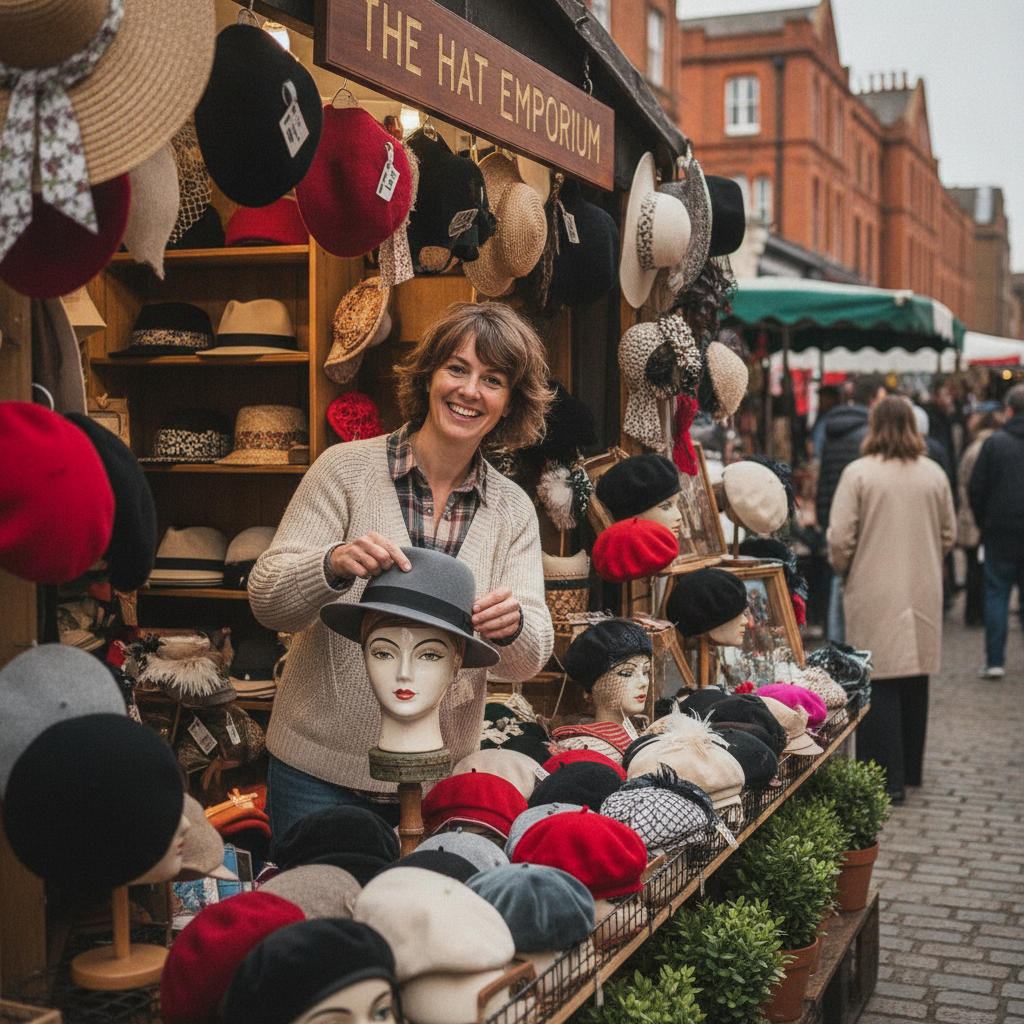
Succeeding in London’s vibrant market scene requires a standout product, and headwear is a timelessly profitable choice. From the fashion-forward crowds of Spitalfields to the eclectic visitors of Camden, a well-curated collection of hats, caps, and fascinators can set your stall apart. But the key to success lies in your supply chain. Finding reliable, high-quality wholesale headwear in London can be a daunting task for new and established traders alike. This comprehensive guide will walk you through every step of the process, transforming you from a hopeful entrepreneur into a savvy stallholder with a sought-after collection.
Table of Contents
- The Enduring Appeal of Headwear on London’s Market Stalls
- Understanding the London Headwear Market: Trends and Opportunities
- Where to Find the Best Wholesale Headwear Suppliers
- Key Criteria for Vetting Your Wholesale Headwear Supplier
- Maximising Profits: Pricing and Display Strategies
- Navigating the Legalities for Your London Market Stall
- The Future of Headwear Retail in London’s Markets
The Enduring Appeal of Headwear on London’s Market Stalls
London’s markets are more than just places to shop; they are cultural epicentres, tourist destinations, and incubators for new trends. According to a report by the Greater London Authority, the city’s markets contribute significantly to the local economy and community fabric. For a stallholder, this vibrant ecosystem presents a unique opportunity. Headwear, in particular, holds a special place in this environment.
Firstly, headwear is a high-impact, relatively low-cost fashion accessory. It allows customers to express their personality without investing in a whole new outfit. This makes it an excellent impulse buy. A tourist might grab a classic flat cap as a souvenir, while a local might pick up a trendy beanie to brave a sudden cold snap. The versatility is immense.
Secondly, the profit margins on headwear can be very attractive. By sourcing effectively from a wholesale headwear London supplier, you can purchase items at a low unit cost and apply a healthy markup that remains accessible to the average market shopper. Unlike clothing, headwear has fewer sizing issues, which dramatically reduces the complexity of stock management and the risk of dead stock.
Finally, headwear is a perennial product. While styles evolve, the need for hats and caps never disappears. Rain, shine, or special occasion, there is always a reason to buy a hat. This consistent demand provides a stable foundation for a market stall business, allowing you to build a loyal customer base and a reliable income stream. By tapping into this market, you’re not just selling a product; you’re selling style, function, and a piece of the iconic London fashion scene.
Understanding the London Headwear Market: Trends and Opportunities
To truly succeed, you must understand the pulse of the city’s fashion. Sourcing the right wholesale headwear in London means knowing what will fly off your display stands before you even order it. London’s headwear market is a fascinating mix of timeless classics, seasonal staples, and fast-fashion trends.
Seasonal Sensations
The most fundamental aspect of the London headwear market is its seasonality. Your stock must reflect the famously unpredictable British weather.
- Autumn/Winter: As the temperature drops, demand for warm headwear soars. Think chunky knit beanies, cashmere-blend berets, classic wool flat caps, and stylish felt fedoras. These aren’t just for warmth; they are core winter fashion statements. Sourcing a variety of colours and textures is key.
- Spring/Summer: When the sun (finally) appears, your stall should transform. Lightweight straw hats, Panama hats, wide-brimmed sun hats for garden parties, and the ever-popular bucket hats become essential. Baseball caps in bright colours and breathable fabrics are also year-round sellers that peak in the warmer months.
Event-Driven Demand
London’s social calendar provides fantastic opportunities for niche headwear sales. Savvy stallholders align their inventory with major events.
- Royal Ascot & Wedding Season: This is the time for elegant fascinators, statement headpieces, and sophisticated occasion hats. Offering a range of styles, from subtle to spectacular, can attract customers looking for that perfect finishing touch without the designer price tag.
- Music Festivals: Events like Glastonbury or All Points East drive demand for bohemian and festival-chic headwear. Think floppy felt hats, quirky bucket hats, and embellished caps.
Timeless Classics and Subcultures
Beyond the seasons, certain styles have an enduring appeal in London, often tied to specific subcultures or historical fashion.
- The Flat Cap & Baker Boy: Eternally popular, these styles evoke a sense of British heritage. They are beloved by Londoners and tourists alike, making them a must-have for any stall.
- The Fedora & Trilby: These classic shapes add a touch of sophistication and are popular with a more style-conscious crowd. Offering them in wool felt for winter and straw for summer covers all bases.
- The Beanie: A streetwear staple, the simple beanie is a year-round bestseller. Stocking a wide array of colours from a reliable UK wholesale supplier is a guaranteed way to secure sales.
Keeping an eye on street style blogs, fashion magazines, and social media influencers is crucial for spotting emerging trends. A successful stall is one that balances these evergreen sellers with a few on-trend, high-rotation items that capture the current zeitgeist.

Where to Find the Best Wholesale Headwear Suppliers
Once you know what you want to sell, the next crucial step is finding where to source it. Your choice of supplier will directly impact your product quality, pricing, and overall profitability. The United Kingdom has a robust network of wholesalers, and knowing where to look is half the battle.
Direct from a UK-Based Wholesaler or Manufacturer
This is often the most reliable and beneficial route. Working directly with a company like Maz Accessories offers numerous advantages. Established UK wholesalers have a deep understanding of the domestic market, curating collections that are already aligned with British tastes and trends.
Benefits include:
- Quality Control: Reputable UK suppliers have stringent quality checks in place.
- Faster Shipping: Domestic shipping means you get your stock faster and can react quickly to replenish popular items.
- Easier Communication: There are no language barriers or time zone differences to navigate.
- No Import Duties: Sourcing domestically eliminates the complexity and cost of customs and import taxes.
As a trusted UK-based supplier like Maz Accessories, we offer a vast range of styles, from classic fedoras to on-trend beanies, ensuring you can find everything you need in one place.
Online Wholesale Marketplaces
Platforms like Faire or Alibaba are vast digital landscapes connecting retailers with thousands of suppliers worldwide. They can be a good place for initial research but come with caveats.
Pros: Massive selection, competitive pricing, ability to discover unique international brands.
Cons: Quality can be inconsistent, shipping times from overseas can be long and costly, and you may face unexpected import fees. Vetting international suppliers thoroughly is non-negotiable.
Trade Shows and Exhibitions
Industry trade shows, such as Pure London or Spring Fair at the NEC Birmingham, are invaluable for market traders. These events bring hundreds of wholesalers and manufacturers under one roof.
Attending a trade show allows you to:
- See and Touch the Products: You can assess the quality of the headwear firsthand, which is impossible online.
- Build Relationships: Meeting suppliers face-to-face helps build rapport and can lead to better deals or exclusive offers.
- Discover New Trends: Trade shows are a hotbed of innovation, giving you a sneak peek at the styles that will be popular next season.
Local Wholesalers in London’s Trade Districts
For those based in London, exploring the city’s traditional wholesale districts can be a fruitful exercise. Areas in East London, for example, have historically been hubs for the garment and accessories trade. While many have moved online, some showrooms and cash-and-carry wholesalers still operate. This can be an excellent option for topping up stock quickly or finding unique, end-of-line bargains.
Key Criteria for Vetting Your Wholesale Headwear Supplier
Choosing a partner for your wholesale headwear London business is a critical decision. Not all suppliers are created equal. To protect your investment and your reputation, you must perform due diligence. Here are the key criteria to assess before placing your first large order.
Product Quality and Material
The quality of your products is a direct reflection of your brand. A customer who buys a poorly made hat that falls apart after one wear will not return. When evaluating a supplier, demand to know about the materials used. Is the ‘wool’ hat 100% wool or a synthetic blend? Is the straw in a Panama hat ethically and sustainably sourced? Don’t be afraid to ask for specifics. The best suppliers are transparent about their materials and manufacturing processes.
Minimum Order Quantity (MOQ) and Pricing
MOQ is the smallest order a wholesaler will accept. For a market stall, especially a new one, finding a supplier with a low or flexible MOQ is crucial. You need the ability to test different styles without being burdened by huge quantities of a single item.
When it comes to pricing, look for a tiered structure. Most wholesalers offer a lower price per unit for larger orders. Calculate your potential profit margin based on these prices. Remember to factor in VAT and shipping costs to determine your true ‘landed cost’ per item. This is the total cost to get the product to your stall, and it’s the number you should use when calculating your retail price.
Shipping and Lead Times
In the fast-paced world of retail, speed is everything. Ask potential suppliers about their typical lead times – the time from placing an order to it being dispatched. Also, inquire about their shipping methods and costs within the United Kingdom. A supplier with a warehouse in the UK, like Maz Accessories, can offer significantly faster and cheaper shipping than one based overseas. This allows you to be more agile, restocking popular items quickly before you sell out.
Customer Service and Return Policies
What happens when things go wrong? A shipment arrives with damaged goods, or you receive the wrong colour. A supplier’s customer service and return policy are your safety net. A good supplier will have a clear, fair policy for returns and exchanges. Before you order, understand their process. Do they offer credit notes or refunds? Who pays for return shipping on faulty items? A supplier with responsive and helpful customer service is an invaluable partner for your business.
| Supplier Type | Pros | Cons |
|---|---|---|
| UK-Based Wholesaler (e.g., Maz Accessories) | Fast shipping, no import fees, high quality control, easy communication. | May have a slightly higher unit cost than overseas manufacturers. |
| Online Marketplace (e.g., Alibaba) | Vast selection, potentially very low unit costs. | Inconsistent quality, long shipping times, import duties, communication barriers. |
| Trade Shows | Inspect products in person, build relationships, discover trends. | Requires travel and time investment, orders placed for future seasons. |
Maximising Profits: Pricing and Display Strategies
Sourcing great products is only the first step. To build a successful business, you need to sell those products at a profit. This involves a smart pricing strategy and a compelling stall display that stops shoppers in their tracks.
Calculating Your Retail Price
Pricing is a delicate balance. Price too high, and you’ll deter buyers. Price too low, and you won’t make a sustainable profit. A common model in retail is the ‘keystone’ pricing strategy, which is to double your landed cost.
Example:
- Wholesale price of a beanie: £4.00
- Shipping cost per item (total shipping cost / number of items): £0.50
- Landed Cost: £4.50
- Keystone Retail Price (Landed Cost x 2): £9.00
This is a starting point. You must also consider your market’s perceived value. For a high-quality wool fedora, you might use a 2.5x or 3x multiplier. For a basic baseball cap, a 1.8x multiplier might be more competitive. Research what similar products are selling for in other London markets. Your pricing should be competitive but also reflect the quality of your goods. Always clearly label your prices to create a transparent and trustworthy shopping experience.
Creating an Eye-Catching Display
In a bustling market, you have seconds to capture someone’s attention. Your stall’s visual merchandising is your most powerful marketing tool.
- Use Height and Levels: A flat table is boring. Use crates, shelves, and tiered stands to create visual interest and display more products in a small footprint.
- Invest in Mannequin Heads: Hats look infinitely better on a head than they do stacked on a table. They help customers visualize how the hat will look when worn. Use a variety of heads to display different styles.
- Group by Colour or Style: Create logical, aesthetically pleasing groupings. You might have a section for felt fedoras, another for colourful beanies, and a display for your summer straw hats. This helps customers navigate your offerings easily.
- Good Lighting: Many London markets can be indoors or under cover. Portable, battery-powered LED lights can make your products pop and create a warm, inviting atmosphere.
- A Quality Mirror: This is essential! Customers need to see how they look. Ensure you have at least one large, clean mirror available.
Upselling and Cross-selling Techniques
Once you have a customer’s attention, you can increase your average transaction value through smart sales techniques.
- Upselling: If a customer is interested in a basic cotton beanie, show them a premium merino wool version. Explain the benefits – it’s softer, warmer, and more durable. The small increase in price comes with a significant increase in quality.
- Cross-selling: If someone buys a hat, suggest a matching scarf or pair of gloves from your collection. You can create ‘bundle deals’ (e.g., ‘Hat and Scarf for £20’) to encourage multiple purchases. This is why sourcing from a comprehensive accessories wholesaler like Maz Accessories is so beneficial, as you can source complementary products from the same trusted supplier. You can explore our diverse collection to find matching sets.
Navigating the Legalities for Your London Market Stall
Running a market stall is a legitimate business, and it comes with legal responsibilities. Ensuring you are fully compliant from day one will save you from potential fines and headaches down the line. This is a crucial part of setting up your business, not just sourcing your wholesale headwear in London.
Market Stall Licenses and Permits
You cannot simply set up a table anywhere you please. Every market in London, whether it’s run by a local council or a private operator, requires traders to have a license or permit. The application process and costs vary significantly from one market to another. For example, getting a pitch at the world-famous Portobello Road Market will have a different process than at a smaller, local community market.
You will need to contact the market operator directly for the specific borough you wish to trade in. They will provide you with application forms, details of fees, and a list of their rules and regulations. Some popular markets have long waiting lists, so it’s wise to apply to several.
Business Registration and Insurance
As a market trader, you are self-employed. You must register as a sole trader (or a limited company, though sole trader is more common for new stalls) with HMRC. The UK Government’s official website provides a step-by-step guide to this process. Registering is a legal requirement and ensures you are correctly set up to pay tax and National Insurance.
Furthermore, Public Liability Insurance is mandatory for virtually all market traders in the UK. This insurance covers you if a member of the public is injured or their property is damaged in connection with your stall. A customer tripping over your display stand, for example. Market operators will require you to show proof of your insurance before they allow you to trade. Organisations like the National Market Traders Federation (NMTF) offer specialist insurance packages for their members.
Product Labelling and Compliance
While headwear doesn’t have the same stringent labelling requirements as food or cosmetics, there are still rules to follow. If you are selling items with specific material compositions (e.g., ‘100% Wool’), you must ensure this is accurate. The Textile Products (Labelling and Fibre Composition) Regulations require that textile products are correctly labelled with their fibre content. Your wholesale supplier should be able to provide you with this information. Being honest and transparent with your customers about the materials in your products builds trust and helps you comply with trading standards.
The Future of Headwear Retail in London’s Markets
The landscape of retail is constantly changing, and market trading is no exception. To build a long-term, successful business, you must look ahead and adapt to new trends in consumer behaviour and technology.
Embracing Sustainability
Modern consumers, particularly in a progressive city like London, are increasingly conscious of the environmental and ethical impact of their purchases. This trend is a huge opportunity for market traders.
- Source Consciously: When vetting your wholesale suppliers, ask about their sustainability practices. Do they use recycled materials? Are their products made to last, countering the ‘fast fashion’ trend? Highlighting products made from organic cotton, recycled polyester, or ethically sourced straw can be a powerful selling point.
- Tell a Story: Use your stall space and your customer interactions to tell the story behind your products. A sign that says ‘Made from 100% Recycled Materials’ can attract eco-conscious shoppers and justify a premium price point.
Integrating Digital and Physical (Phygital)
Your physical market stall is your anchor, but it doesn’t have to be your only sales channel. Blending your in-person presence with a digital one can dramatically expand your reach.
- Social Media Marketing: Create an Instagram or TikTok account for your stall. Post high-quality photos of your headwear, showcase new arrivals, and run location-specific promotions. Use hashtags like #LondonMarket, #CamdenMarketFinds, or #SpitalfieldsStyle to attract local shoppers. You can even post videos showing different ways to style your hats.
- Simple E-commerce: You don’t need a complex website to start. A simple Shopify store or an Etsy shop can serve as your online presence. Use a card reader at your stall that integrates with your online inventory. This allows you to capture sales from tourists who might want to buy more later or from Londoners who discovered you online.
- Building a Mailing List: Use a simple sign-up sheet (with a QR code) at your stall to collect customer email addresses. You can then send out newsletters announcing which market you’ll be at, promoting new stock, or offering exclusive discounts.
The future for market traders is bright for those who are adaptable. The core appeal of the market – the personal interaction, the unique finds, the treasure-hunt experience – will always remain. By combining this timeless charm with modern business practices, sustainable sourcing, and smart digital integration, your headwear stall can not only survive but thrive in the dynamic retail environment of London.
Key Takeaways
- High Potential: Headwear is a profitable, high-impulse product for London’s diverse market scene, with strong year-round demand.
- Know Your Market: Success depends on understanding seasonal trends (beanies vs. sun hats), event-driven needs (fascinators for Ascot), and timeless London styles (flat caps).
- Supplier is Key: Sourcing from a reliable UK-based wholesaler like Maz Accessories ensures quality, speed, and easy communication, avoiding the pitfalls of overseas suppliers.
- Vet Thoroughly: Always assess suppliers based on product quality, MOQ, pricing, shipping times, and customer service. Always order samples first.
- Price and Display Smartly: Use a keystone pricing model as a starting point and create a visually appealing stall with levels, mannequin heads, and good lighting to attract customers.
- Stay Compliant: Ensure you have the correct market licenses, public liability insurance, and are registered as self-employed with HMRC before you start trading.
Frequently Asked Questions
What’s the average startup cost for a headwear stall in London?
Startup costs can vary widely but expect to budget between £1,500 – £4,000. This covers initial stock purchase (£800 – £2,000), market pitch fees for the first month (£200 – £800), public liability insurance (~£100/year), a card reader (~£50), and stall display equipment like mannequin heads, rails, and mirrors (£350 – £1,000).
How do I identify trending headwear styles for the UK market?
The best way is a combination of methods. Follow UK fashion influencers and street style accounts on Instagram and TikTok. Read fashion industry publications like The Business of Fashion. Visit popular London markets like Portobello, Camden, and Spitalfields to see what people are actually wearing. Finally, a good UK wholesale supplier will curate their collection based on current and upcoming trends, making them a valuable resource.
What is a reasonable Minimum Order Quantity (MOQ) for a small market stall?
For a new stall, look for suppliers with an MOQ of around £100-£250 for an entire order, and per-style minimums of 3-6 pieces. This allows you to purchase a wide variety of styles to test the market without investing too heavily in any single item. Avoid suppliers who require you to buy dozens of the same hat, as this increases your risk of being left with unsold stock.
Can I sell branded (e.g., Nike, Adidas) headwear on my market stall?
You can only sell branded goods if you have sourced them from an officially licensed and authorised distributor. Buying branded goods from an unverified source carries a high risk of them being counterfeit. Selling counterfeit goods is illegal, can result in prosecution, and will get you banned from any market. It is far safer and often more profitable to build your own brand with high-quality, unbranded headwear.
Besides hats, what other headwear accessories sell well?
Expanding your range can increase sales. Consider stocking items like headbands (both fashion and athletic styles), bandanas, winter ear muffs, and silk headscarves. These items often have a lower price point than hats, making them excellent impulse buys and add-on sales. Sourcing these from the same wholesale supplier can simplify your ordering process.
Your Journey Starts Here
Launching a headwear stall on one of London’s iconic markets is an exciting venture that blends a passion for fashion with sharp business acumen. Success hinges on a deep understanding of your customer, a flair for presentation, and most importantly, a reliable supply chain. By carefully selecting a wholesale partner who provides quality, style, and value, you lay the foundation for a thriving and profitable business.
Don’t let the challenge of sourcing hold you back. With the right knowledge and the right partners, you can curate a collection that captivates customers and establishes your stall as a go-to destination for stylish headwear. Ready to take the first step? Get in touch with our team at Maz Accessories today to discover how our extensive range of wholesale headwear can help you build your market stall empire.
