
Fedora vs Trilby Hats: UK Retailer’s Essential Guide
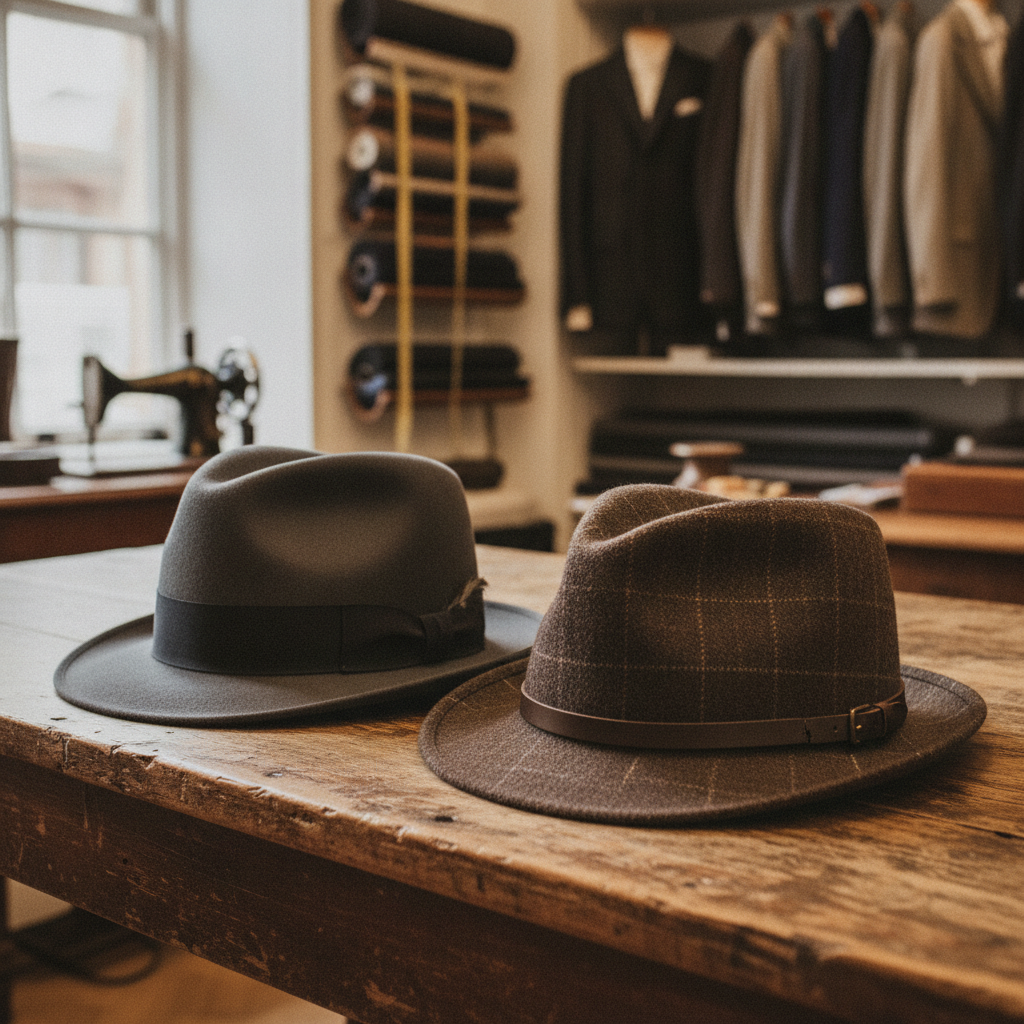
In the dynamic world of UK fashion retail, understanding the nuances of classic accessories can be the difference between a stocked shelf and a sold-out success. When it comes to iconic headwear, the debate of fedora vs trilby hats is a common point of confusion for both consumers and retailers alike. While often used interchangeably, these two distinct styles offer unique histories, silhouettes, and market appeal. This comprehensive guide is designed specifically for United Kingdom retailers to demystify these timeless hats, empowering you to curate a collection that resonates with your clientele and elevates your brand.
Table of Contents
- 1. The Enduring Legacy of Classic Hats in UK Fashion
- 2. What is a Fedora? A Deep Dive into its History and Style
- 3. What is a Trilby? Unpacking the Misunderstood Cousin
- 4. Fedora vs Trilby Hats: The Definitive Comparison for UK Stockists
- 5. How to Style a Fedora: Timeless Elegance for Every Occasion
- 6. How to Style a Trilby: Modern Flair and Casual Cool
- 7. Sourcing Quality Wholesale Hats: What UK Retailers Must Know
- 8. Marketing Fedora and Trilby Hats to Your UK Customer Base
The Enduring Legacy of Classic Hats in UK Fashion
Hats have long been an integral part of British identity, evolving from a symbol of social status in the 18th and 19th centuries to a powerful statement of personal style today. From the top hats of Victorian England to the bowler hats synonymous with the City of London, headwear has punctuated the UK’s fashion landscape for centuries. This rich heritage creates a fertile ground for retailers who understand the cultural significance and contemporary appeal of classic designs like the fedora and trilby.
In the post-war era, the hat was an essential component of a man’s outdoor attire. No respectable gentleman would be seen without one. While the ubiquity of hat-wearing declined in the latter half of the 20th century, recent years have seen a remarkable resurgence. This revival is driven by a renewed appreciation for heritage craftsmanship, the influence of vintage aesthetics in modern fashion, and the desire for accessories that express individuality. For a UK retailer, tapping into this trend requires more than just stocking hats; it demands a deep understanding of their stories, their differences, and their place in a modern wardrobe. The fedora and trilby are at the forefront of this renaissance, each carrying a distinct personality that can appeal to different segments of the modern British market.
What is a Fedora? A Deep Dive into its History and Style
The fedora is arguably one of the most recognisable hat silhouettes in the world, steeped in a history of glamour, rebellion, and cinematic cool. Its story, however, begins not on a male icon, but on the stage with a leading lady. The name ‘Fedora’ originates from the title of an 1882 play by French author Victorien Sardou. The lead actress, Sarah Bernhardt, wore a soft-brimmed hat with a centre crease in her role as Princess Fédora Romanoff, and a style icon was born. It was soon adopted by women’s rights activists before becoming a staple of men’s fashion in the 1920s.
The fedora’s golden age spanned from the 1920s to the late 1950s, becoming synonymous with everyone from Hollywood stars like Humphrey Bogart and Cary Grant to notorious gangsters like Al Capone. It was the hat of choice for businessmen, journalists, and private eyes, projecting an aura of sophistication and authority. Its design was both practical, protecting the wearer from the elements, and stylish, completing a formal suit. For a detailed history, one can explore the Wikipedia page on the Fedora hat, a great resource for historical context.
Key Characteristics of a Classic Fedora
To accurately identify a fedora and educate your customers, it’s crucial to know its defining features. These elements distinguish it clearly from the trilby and other styles.
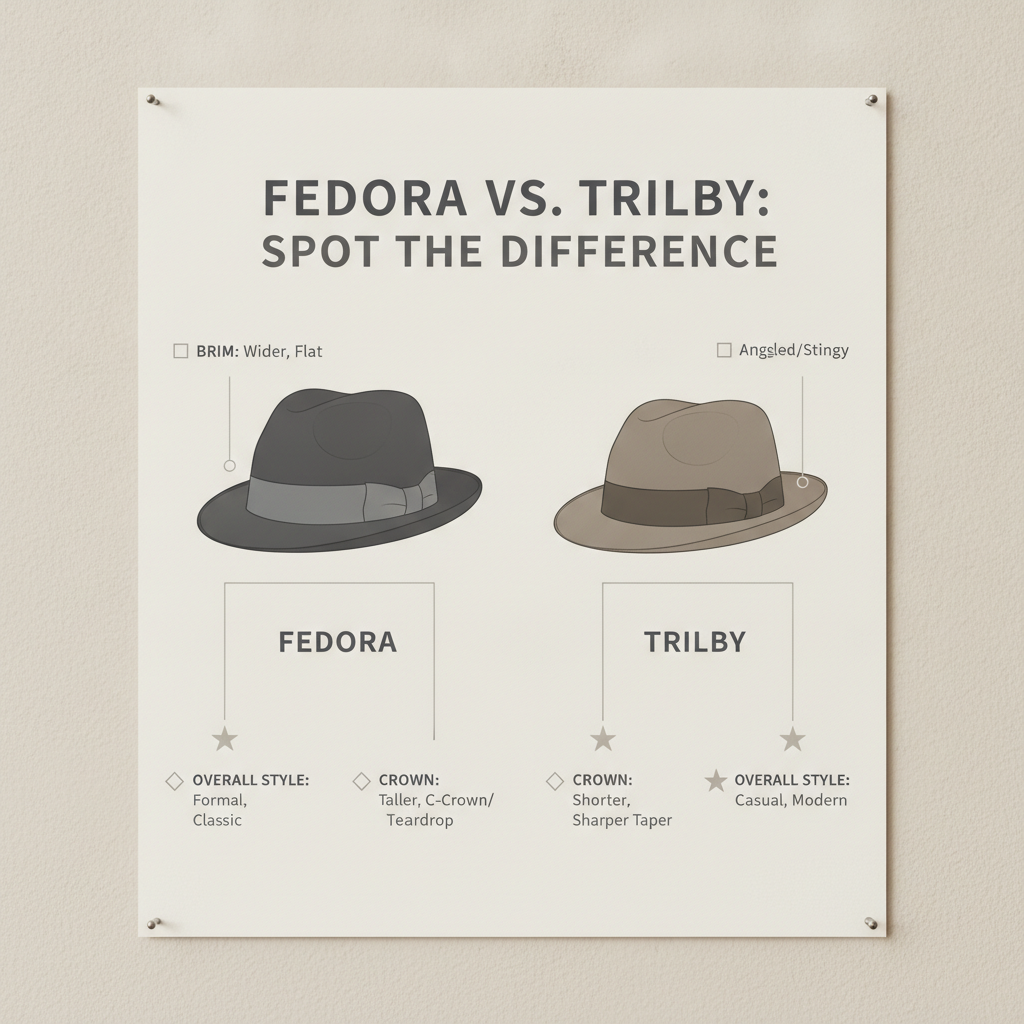
- Brim: The most defining feature of a fedora is its wider, flexible brim, typically measuring at least 2.5 inches (approx. 6.4 cm) and often wider. The brim is usually ‘snap-brim’, meaning the wearer can snap it down in the front and turn it up in the back for a rakish, classic look. This wider brim offers more substantial protection from sun and rain.
- Crown: A fedora has a taller crown, generally 4.5 inches (approx. 11 cm) or more. The crown is indented, or ‘pinched’, near the front on both sides, and features a lengthwise crease down the middle. Common crown shapes include the teardrop crown (creased in a teardrop shape when viewed from above) and the centre-dent or C-crown.
- Material: Traditionally, fedoras are made from high-quality felt, most commonly from rabbit or beaver fur, although wool felt is a more common and affordable modern alternative. Summer variations can be found in straw, such as the famous Panama hat, which is technically a fedora shape woven from toquilla straw.
- Band: A fedora is almost always finished with a ribbon band or ‘trim’ around the base of the crown, often tied in a flat bow with a small embellishment.
Understanding these characteristics is the first step for any retailer looking to build a credible and appealing headwear collection. When you can confidently explain why a hat is a fedora, you build trust and authority with your customers. At Maz Accessories, we pride ourselves on the quality and authenticity of our designs; you can learn more about our commitment to craftsmanship on our website.
What is a Trilby? Unpacking the Misunderstood Cousin
The trilby, often mistakenly called a fedora, has its own unique heritage and style profile. Like its cousin, the trilby also owes its name to the stage. It first appeared in a London production of the 1894 novel Trilby by George du Maurier. The hat worn in the play became instantly popular and was soon known simply as ‘the Trilby hat’.
Initially considered a ‘rich man’s hat’, the trilby was popular at horse racing events in the UK and had an air of leisurely, aristocratic style. Its popularity surged in the 1960s, thanks in part to its shorter brim, which was more practical for driving cars with lower rooflines than the wider-brimmed fedora. This association with modernity and convenience helped it transition into a more casual, everyday accessory. In the 1980s and again in the 2000s, it was adopted by pop stars and musicians, cementing its status as a trendy, fashion-forward choice.
Defining Features of the Trilby Hat
The trilby’s design elements are subtle but significant, creating a completely different silhouette and feel compared to the fedora. Recognising these differences is key in the fedora vs trilby hats debate.
- Brim: This is the most critical differentiator. The trilby has a much shorter, ‘stingy’ brim that is sharply angled down at the front and turned up steeply at the back. The brim is fixed and not meant to be snapped like a fedora’s. This narrow brim offers less sun protection, marking it as more of a style accessory than a functional piece of outerwear.
- Crown: The trilby’s crown is shorter and more tapered than a fedora’s. This lower profile gives it a sleeker, less imposing look. The pinching and creasing at the top are similar to a fedora but are proportioned to the shorter crown.
- How It’s Worn: Due to its design, a trilby is traditionally worn further back on the head, rather than pulled down to shade the eyes like a fedora. This wearing style contributes to its more casual, laid-back vibe.
- Material: While traditional trilbies were made of rabbit hair felt, modern versions are commonly crafted from tweed, straw, wool, and cotton. The use of materials like tweed gives it a distinctly British, country-esque feel.
The trilby’s compact size and fashion-forward history make it a popular choice for a younger demographic and for customers seeking a stylish accent rather than a dominant wardrobe piece. Its popularity in music and festival culture has given it a modern edge that the more classic fedora sometimes lacks. For a historical perspective on British fashion, the Victoria and Albert Museum’s hat collection provides incredible visual context.
Fedora vs Trilby Hats: The Definitive Comparison for UK Stockists
For a UK retailer, having a clear, side-by-side comparison is invaluable for making informed buying decisions and for creating effective marketing materials. The core differences lie in proportion, formality, and intended style. While both are creased-crown, soft-brimmed hats, their execution results in two very different products for distinct customer profiles.
Let’s break down the comparison into a clear, easy-to-reference format. This table can be a useful tool for staff training and even for in-store signage to help customers self-identify the style they prefer.
| Feature | Fedora | Trilby |
|---|---|---|
| Brim Width | Wide (typically 2.5 inches or more) | Narrow / Stingy (typically under 2 inches) |
| Brim Style | Soft, flexible, ‘snap-brim’ design. Can be worn up or down. | Short, rigid, fixed angle. Permanently turned up in the back. |
| Crown Height | Taller (typically 4.5 inches or more) | Shorter, more tapered profile |
| Overall Formality | More formal, classic, and sophisticated. Pairs well with suits and overcoats. | More casual, modern, and trendy. Pairs well with jackets, jeans, and smart-casual wear. |
| How It’s Worn | Worn forward on the head, covering the brow. | Worn on the back of the head, off the face. |
| Cultural Association | 1920s-50s gangsters, film noir detectives, Indiana Jones, classic Hollywood. | 1960s mod culture, 2000s indie music scene, Justin Timberlake, modern pop culture. |
| Ideal Customer | Someone seeking a timeless, statement piece for formal or smart occasions. Appreciates classic style. | A fashion-conscious customer looking for a trendy accessory for casual or festival wear. |
How to Style a Fedora: Timeless Elegance for Every Occasion
Advising customers on how to wear a fedora is a crucial part of the sale. The fedora’s versatility allows it to be dressed up or down, but its classic proportions lend themselves best to smarter, more structured outfits. Its wider brim makes a statement and should be balanced by the rest of the ensemble.
Formal and Business Attire
This is the fedora’s natural habitat. For a classic, powerful look, a felt fedora in a neutral colour like charcoal grey, black, or navy is impeccable. It should be paired with:
- A well-tailored suit: The structure of the suit complements the hat’s defined shape.
- An overcoat or trench coat: A long coat balances the proportions of the wide-brimmed hat, creating a cohesive and elegant silhouette. This is a quintessential look for the UK’s colder months.
- Leather accessories: Co-ordinate the hat with quality leather gloves and dress shoes to complete the sophisticated aesthetic.
Smart-Casual Looks
A fedora can also elevate a smart-casual outfit, making it look more intentional and put-together. This is a great selling point for customers who want a versatile accessory. Suggest pairing it with:
- Blazers and chinos: A wool or tweed blazer with smart trousers is a perfect match for a felt fedora. A lighter-coloured straw fedora (like a Panama) works brilliantly with a linen blazer in summer.
- Knitwear: A fine-gauge merino wool sweater or a chunky roll-neck under a jacket looks sharp with a fedora.
- Dark-wash denim: While avoiding overly casual jeans, a smart pair of dark denim jeans can work if the rest of the outfit is polished (e.g., with a blazer and brogues).
The key is proportion. As men’s style guide GQ UK often emphasizes, balancing silhouette is crucial. The wider brim of a fedora generally works best on individuals with a medium to large build or broader shoulders. For those with a smaller frame, a fedora with a slightly more moderate brim might be a better recommendation.
How to Style a Trilby: Modern Flair and Casual Cool
The trilby’s shorter brim and more compact shape make it inherently more casual and easier to integrate into contemporary wardrobes. It’s less of a statement piece and more of a subtle, stylish flourish. Its association with music and youth culture makes it an easier sell to a younger, trend-focused audience.
Everyday Casual Wear
The trilby excels in casual settings. It adds a touch of personality without looking over-the-top. Retailers can market it as the perfect ‘weekend hat’.
- Jackets and Jeans: A tweed trilby with a Barbour-style waxed jacket and jeans is a classic British countryside look. A straw trilby with a denim jacket is perfect for summer.
- Short-Sleeved Shirts: In warmer weather, a trilby can be paired with a patterned or plain short-sleeved button-down shirt and chinos for a relaxed, holiday vibe.
- Leather Jackets: The trilby’s rock-and-roll heritage makes it a natural partner for a leather biker jacket, a band t-shirt, and slim-fit jeans.
Festivals and Events
The UK’s vibrant festival scene is a prime market for the trilby. It’s a stylish way to keep the sun off without committing to a wide-brimmed hat that might be cumbersome in a crowd.
- Material Matters: Recommend lightweight straw or cotton trilbies for summer events. They are breathable and comfortable for all-day wear.
- Colour and Pattern: Festivals are a great opportunity for customers to experiment with bolder colours or patterned bands on their trilbies. Stocking a variety of options can capture this adventurous market.
Unlike the fedora, the trilby’s smaller proportions often suit individuals with a slimmer build or narrower face. Because it’s worn further back on the head, it doesn’t cast a shadow over the face, making it feel more open and approachable.
Sourcing Quality Wholesale Hats: What UK Retailers Must Know
Now that you can confidently distinguish between a fedora and a trilby, the next step is sourcing a high-quality inventory. As a retailer in the United Kingdom, your customers expect a certain level of craftsmanship and durability, especially when investing in a classic piece like a hat. The quality of your stock directly reflects on your brand’s reputation.
Material and Construction
When selecting a wholesale supplier, pay close attention to the materials used. The feel and finish of a hat are its biggest selling points in a physical retail environment.
- Felt Quality: For fedoras and trilbies, look for 100% wool felt as a baseline for quality. It should be firm enough to hold its shape but soft to the touch. Premium options like fur felt (rabbit or beaver) offer superior softness and weather resistance, catering to a high-end market.
- Stitching and Finish: Examine the stitching on the sweatband and the finish of the ribbon trim. Clean, consistent stitching and a securely attached band are signs of good manufacturing.
- Shape and Symmetry: The crown’s crease and pinches should be sharp and symmetrical. The brim should be evenly shaped. Poorly made hats will often look lopsided or lose their shape quickly.
- Sweatband: A quality hat will have a comfortable sweatband, often made of leather or soft, absorbent fabric like cotton. This is a crucial detail for customer comfort.
Partnering with an experienced wholesaler like Maz Accessories ensures you receive consistently high-quality products. We offer a diverse range of wholesale hats for UK retailers, crafted with attention to detail and an understanding of the British market’s expectations. A reliable supplier is a partner in your success, providing not just products but also industry insight.
Marketing Fedora and Trilby Hats to Your UK Customer Base
Effectively marketing your new, well-curated hat collection is the final piece of the puzzle. Your marketing should educate customers, inspire them with styling ideas, and clearly communicate the value and quality of your products. The fedora vs trilby hats distinction should be a cornerstone of this strategy.
In-Store Merchandising
Your physical retail space is your most powerful marketing tool. Create displays that tell a story.
- Separate and Define: Create distinct sections for fedoras and trilbies. Use small, elegant signage to label each style and list 2-3 key features (e.g., “The Fedora: Wide Brim, Classic Style” and “The Trilby: Short Brim, Modern Edge”).
- Style Vignettes: Don’t just display hats on shelves. Create small vignettes by styling them on mannequins. Pair a fedora with a scarf and the collar of a coat. Place a trilby next to a leather jacket and sunglasses. This helps customers visualise how to wear the hat.
- Mirrors are a Must: Ensure there are plenty of well-lit mirrors near your hat display. Trying on a hat is an essential part of the buying experience.
Digital Marketing and Social Media
Extend your educational approach online. Your website and social media channels are perfect for reaching a wider audience in the United Kingdom.
- Create a Comparison Guide: Turn the information in this blog post into a visual guide for your own website or as a carousel post on Instagram. Show clear side-by-side photos.
- Run ‘Style It’ Campaigns: Encourage user-generated content by asking customers to share photos of themselves wearing your hats with a specific hashtag. Feature the best looks on your feed.
- Leverage UK Events: Market trilbies ahead of festival season (Glastonbury, Reading & Leeds). Promote fedoras in the run-up to formal events like Royal Ascot or winter wedding season. This targeted marketing is highly effective.
- Educate with Video: Create short videos for TikTok or Instagram Reels demonstrating the key differences, showing how to find the right size, or offering quick styling tips. For example, a video showing how to ‘snap’ the brim of a fedora can be very engaging. Authoritative sources on business marketing, like Forbes’ marketing section, often highlight the power of video content in today’s digital landscape.
Key Takeaways
- Brim is Key: The primary difference between a fedora and a trilby is the brim. Fedoras have a wide, soft, snappable brim, while trilbies have a short, narrow, fixed-angle brim.
- Proportions Matter: Fedoras have a taller crown and are a larger hat overall, lending them to more formal or statement looks. Trilbies are more compact with a shorter crown, making them suitable for casual, everyday wear.
- Know Your Customer: Stock fedoras for clients seeking timeless elegance and classic style. Stock trilbies for a younger, trend-conscious demographic interested in music and festival culture.
- Educate to Sell: Use your knowledge to guide customers. By explaining the history and distinct features of each hat, you build trust and can better recommend the perfect style for their needs.
- Quality Sourcing is Crucial: Partner with a reliable wholesale supplier in the UK to ensure your inventory meets customer expectations for material, construction, and durability.
Frequently Asked Questions
Can a woman wear a fedora or a trilby?
Absolutely. Both the fedora and trilby are unisex styles. The fedora was famously popularised by actress Sarah Bernhardt. Today, many brands offer fedoras and trilbies in a range of colours and sizes specifically for women, often featuring slightly different proportions or band details. For retailers, stocking a selection of these hats is a great way to broaden their appeal.
Which hat is more popular in the UK, the fedora or the trilby?
Popularity often moves in cycles and depends on the demographic. The trilby saw a massive surge in the 2000s and remains very popular in youth fashion and festival scenes. The fedora, with its classic and timeless appeal, has seen a steady resurgence among those interested in heritage fashion, formal wear, and vintage style. A well-rounded UK retailer should consider stocking both to cater to different market segments.
Is a Panama hat a fedora or a trilby?
A Panama hat is defined by its material (woven toquilla straw from Ecuador), not its shape. Most commonly, Panama hats are shaped in the style of a fedora, featuring the wider brim and centre-dent crown. However, you can also find Panama hats blocked into a trilby shape. So, a Panama hat is typically a straw fedora, but it’s important to check the brim and crown proportions.
How do I properly measure a customer’s head for a hat?
Use a soft tailor’s tape measure. Wrap it around the customer’s head, positioned mid-forehead and about 1/8 inch above the ears. The tape should be snug but not tight. The measurement in centimetres or inches corresponds to the hat size. Providing a size chart in-store and online that converts these measurements to standard sizes (S, M, L, XL) is essential for a good customer experience.
What is the main mistake people make when choosing between a fedora vs trilby?
The most common mistake is not considering face shape and body proportion. A wide-brimmed fedora can overwhelm a person with a small, narrow face, while a tiny trilby might look disproportionate on a person with a very broad build. As a retailer, you can add immense value by gently guiding customers to the style that best complements their features, ensuring they leave with a hat they look and feel great in.
Conclusion: Curate Your Collection with Confidence
The fedora vs trilby hats debate is more than just a matter of semantics; it’s an opportunity for UK retailers to demonstrate their expertise and cater precisely to their customers’ needs. By understanding the distinct history, design, and ideal styling for each hat, you can curate a diverse and commercially successful headwear collection. The fedora offers timeless sophistication for the discerning client, while the trilby provides a modern, casual edge for the fashion-forward consumer. Both have a firm place in the modern British wardrobe.
Empower your business with knowledge, stock your shelves with quality, and guide your customers with confidence. By doing so, you’ll not only increase sales but also solidify your reputation as a go-to destination for classic and contemporary accessories. Ready to elevate your inventory with premium wholesale fedoras and trilbies? Explore our extensive collection at Maz Accessories and partner with a supplier that understands the nuances of the UK market. Browse our wholesale hat collection today and build the perfect headwear range for your store.
